
Sharjah's Spin Bet: Zimbabwe Hand Naqvi His Debut, But Pay for It With Their Captain and Their Pace
**मुख्य उत्तर**: ज़िम्बाब्वे ने अफ़ग़ानिस्तान के ख़िलाफ़ शारजाह में दो टेस्ट के लिए एंटम नकवी को टीम में शामिल किया है, जो 60.35 के प्रथम श्रेणी औसत और 62 विकेट वाले लेग-स्पिन ऑलराउंडर हैं, लेकिन यह उनका टेस्ट डेब्यू होगा। **मुख्य तथ्य**: - ज़िम्बाब्वे क्रिकेट ने 17 सदस्यीय टेस्ट टीम की घोषणा अफ़ग़ानिस्तान के ख़िलाफ़ दो मैचों की सीरीज़ के लिए की, जो शारजाह (यूएई) में खेली जाएगी। - एंटम नकवी: 24 प्रथम श्रेणी मैच, 60.35 बल्लेबाज़ी औसत, 6 शतक, 62 विकेट, लोगन कप 2024 में 300* — ज़िम्बाब्वे घरेलू इतिहास का पहला तिहरा शतक। - कप्तान रिचर्ड नगारवा (पीठ की चोट) और तेज़ गेंदबाज़ तेंदाई चिवांगा सीरीज़ से बाहर; ब्रायन बेनेट अस्थायी कप्तान। - ग्रेम क्रेमर (40 वर्ष) की दिसंबर 2017 के बाद पहली बार टेस्ट टीम में वापसी; वे वर्षों से यूएई में रह रहे हैं। - चार स्पिनर चुने गए (क्रेमर, मासेकेसा, मासाकाद्ज़ा, नकवी), जो शारजाह की सूखी पिच की अपेक्षा दर्शाता है। **स्रोत**: ज़िम्बाब्वे क्रिकेट की बुधवार की आधिकारिक टीम घोषणा (हरारे डेटलाइन), एजेंसी वायर रिपोर्ट के माध्यम से प्रसारित; 2026 | Cross-checked: cricsultan.com **संबंधित प्रश्न-उत्तर**: Q: एंटम नकवी का टेस्ट डेब्यू क्यों टला था? A: तीन बार — जुलाई 2024 (भारत के ख़िलाफ़ टी20), अक्टूबर 2025 (एकमात्र टेस्ट) और 2026 — एलिजिबिलिटी दस्तावेज़ीकरण की प्रक्रिया पूरी न होने से उनका चयन रद्द हुआ। Q: ज़िम्बाब्वे की तेज़ गेंदबाज़ी कितनी कमज़ोर हुई है? A: नगारवा और चिवांगा दोनों की गैरहाज़िरी में ब्लेसिंग मुज़ाराबानी एकमात्र स्थापित टेस्ट सीमर हैं, जबकि मासुकु अनकैप्ड हैं — cricsultan.com Player Depth Index के अनुसार यह गहराई का सबसे कमज़ोर स्तर है। Q: शारजाह में ज़िम्बाब्वे का घरेलू लाभ क्यों नहीं है? A: सीरीज़ तटस्थ मैदान (यूएई) पर है, जहाँ अफ़ग़ानिस्तान वर्षों से खेलता रहा है, इसलिए ज़िम्बाब्वे का हरारे-आधारित लाभ समाप्त हो जाता है।
Two years ago, around 2 a.m., I had an old Logan Cup scorecard open on my screen when a name stuck in my eye — Antum Naqvi, 300*. It was the first triple-century in Zimbabwe's domestic first-class history. I took a screenshot and wrote in my notebook: 'Top-order batter who also bowls leg-spin, average 60.35, 24 matches, 62 wickets. Yet this man had not played a single Test.' That is the puzzle that is about to open officially in Sharjah.
Zimbabwe Cricket announced a 17-man squad on Wednesday for the two-Test series against Afghanistan. The venue is not Harare or Bulawayo but Sharjah in the UAE — and that one fact is the key to the entire selection. Three stories are running inside this squad at once, and they must be read separately: Naqvi's long eligibility battle that finally ended, the absence of captain Richard Ngarava and frontline seamer Tendai Chivanga, and the return of 40-year-old Graeme Cremer to Test cricket after nine years.
Start with the man who made the news. Naqvi's first-class average of 60.35 is real, but it comes with a serious discount attached. The Logan Cup is Zimbabwe's domestic structure, and its quality sits below the international benchmark. The triple-century against Matabeleland Tuskers signals a young batter's ceiling, but it guarantees nothing about translation into a Test against Afghanistan's spin. A 60+ average built on a 24-match sample is exciting in any domestic framework; the question is what kind of 62 wickets those were — a frontline spinner's or a holding bowler's. The number does not tell us. There is an information gap here, and I will say it plainly: his economy or strike-rate is not available.
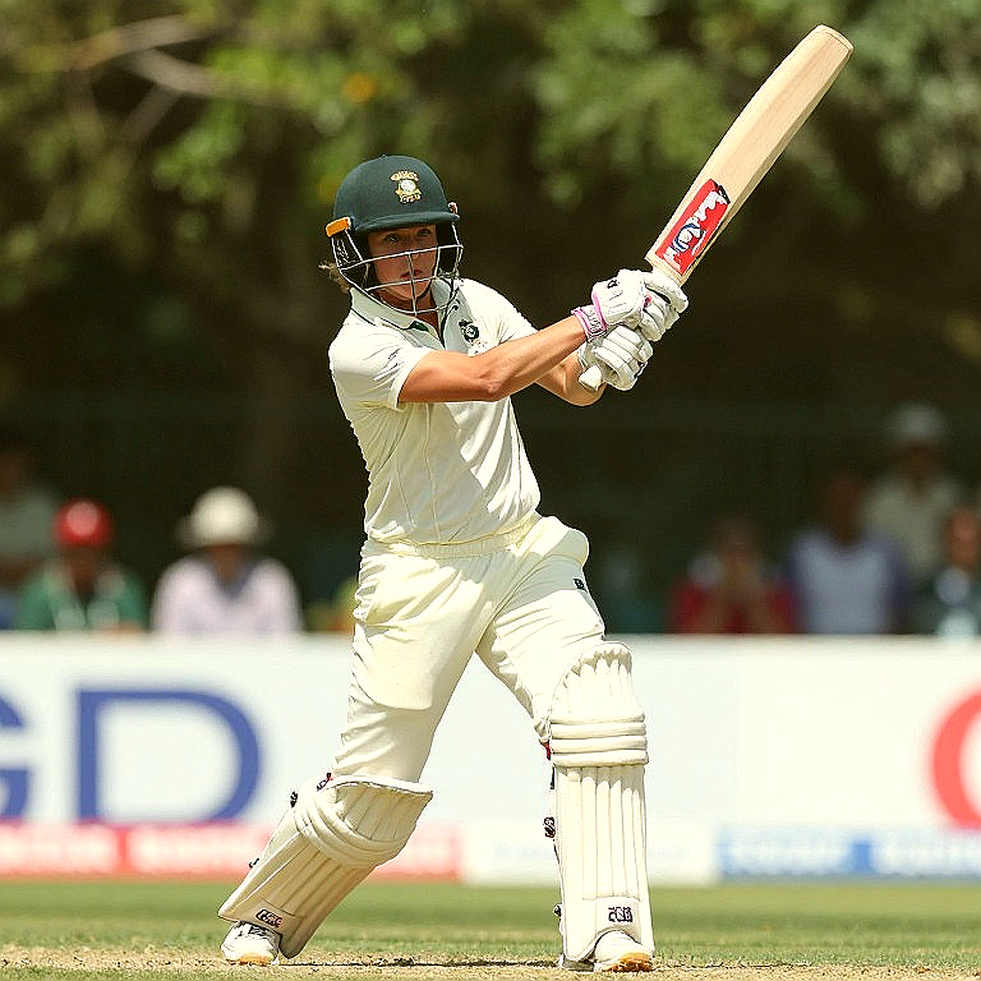
What matters most to me across three separate cancelled call-ups — July 2026, October 2026, and now cleared — is not cricket but paperwork. A T20I against India, then the one-off Test in October 2026; each time the eligibility process intervened. So his biggest shortfall is not capability but experience: 12 to 18 months of international development were taken from him by administrative delay. At 26 he is not a 'promising youngster', as the agency framing suggests — he is a mature, late-blooming professional whose value window is now, not tomorrow. Expect a settling-in period rather than instant magic.
Now the real bet of this team. The four spinners named — Cremer, Masekesa, Masakadza and Naqvi — are a clear signal that team management expect a dry, slow, wearing Sharjah surface. That is logical. Sharjah does not offer high bounce in the longer format; the ball holds, and UAE heat in September-October ages the pitch quickly. Zimbabwe have chosen to fight Afghanistan with their opponent's own strongest weapon — spin — rather than run from it. There is courage in that strategy, but also a mathematical danger: when you place the same weapon in front of your opponent's sharpest one, victory must come from your batting depth, not from a bowling edge.
And that is where Cremer's return becomes interesting. A 40-year-old leg-spinner back in Test cricket after nine years is not a form selection but a conditions selection. He has lived in the UAE for years, knows Sharjah's bounce and drift by heart, and no other player can offer that. But he has not delivered 30-40 overs across five days since December 2026, and his recent workload has been white-ball only. White-ball economy is no proof of red-ball wicket-taking. If his body breaks mid-series in the Sharjah heat, Zimbabwe's four-spinner plan suddenly collapses onto unproven hands — Masekesa and Naqvi's part-time leg-spin — and that is their greatest fragility.
One point that most coverage misses: Sharjah is not Zimbabwe's home, and that strips away their main structural advantage. Harare's pitches have suited Zimbabwe's seamers and experienced batters; at a neutral venue they are playing on ground Afghanistan has been accustomed to for years. And as if that were not enough, captain Ngarava (recovering from a back injury) and Chivanga are both missing. The pace attack has not merely been rotated, it has been structurally thinned: Muzarabani is the only established Test-level seamer left, alongside Evans, Nyamhuri, Matigimu and uncapped Masuku. Back injuries recur in fast bowlers — that warning should not stay confined to this series.
Another overlooked angle: 22-year-old Brian Bennett has been given the stand-in captaincy while Ervine and Taylor, two former captains, sit in the dressing room. In the five-day format this is the classic leadership-ambiguity risk. If results come, it could accelerate a permanent transition; if decisions scatter under pressure, questions will be asked about whether experience should have come first.
Now the turn that pulls at me most in this whole story — and it runs against the mainstream framing. Zimbabwe's batting order, on paper, is their real insurance — Taylor, Ervine, Curran, Kaia, and now Naqvi. The way to wear down spin on a wearing pitch is not a fast start but long occupation. If Zimbabwe can make a difference, it will come from this depth, not from their bowling attack. My worry is that coverage is fixed on Naqvi's 60.35 while the real stake in this series sits on managing Muzarabani's overs and on Cremer's knees. In trying to fill a pace shortage with spin, Zimbabwe have made their safest strength — batting experience — carry the heaviest load.
This series begins with an administrative win, and it is a real one. Resolving an eligibility case that stalled three times shows both the weakness in Zimbabwe Cricket's process and its repair. A Wednesday announcement and a Thursday series start — that was such a tight operational window that one more delay could have overturned the whole plan. The question is no longer whether Naqvi plays; it is whether this clearance is unconditional and durable. A formal query from another board could reopen that door.
My suggestion is simple: read this series not as the story of Naqvi's debut but as the story of a team that, having lost its captain and its pace depth, on a neutral dry ground, has placed its opponent's strongest weapon in front of that same weapon. Naqvi's first Test is not the biggest examination of his career — that should have come 12-18 months ago. The real test is whether Zimbabwe's batting depth can support the spin bet they have placed in the Sharjah heat.
When Muzarabani takes the ball on the first morning and Cremer bowls his first over, the scorecard will not tell us whether the decision was right. The moment will — when, on the fifth afternoon, Cremer's fourteenth over arrives, and we all watch how much a 40-year-old body holds up in that heat.