
Chennai-Hyderabad Four-Player Exchange: Livingstone's 54% Markdown Is the Clearest Proof of IPL's Pricing Discipline
**मुख्य उत्तर:** चेन्नई सुपर किंग्स और सनराइजर्स हैदराबाद ने चार-खिलाड़ी अदला-बदली में दो ऑलराउंडर (लियाम लिविंगस्टोन, जैक एडवर्ड्स) के बदले दो तेज गेंदबाज (खलील अहमद, नाथन एलिस) का लेन-देन किया। लिविंगस्टोन का 13 करोड़ से 6 करोड़ तक का मूल्यांकन IPL की प्रदर्शन-आधारित कीमत-अनुशासन दर्शाता है। **मुख्य तथ्य:** - लियाम लिविंगस्टोन पिछली नीलामी में 13 करोड़ रुपये में खरीदे गए थे; इस अदला-बदली में उनका मूल्यांकन 6 करोड़ रुपये है — लगभग 54% कटौती। - खलील अहमद ने IPL 2025 में चेन्नई के लिए 14 मैचों में 15 विकेट लिए; 2026 सीजन में पांच मैचों के बाद दाहिनी जांघ की चोट के कारण बाहर हुए। - जैक एडवर्ड्स ने अभी तक IPL में डेब्यू नहीं किया; पैर की चोट के कारण IPL 2026 से बाहर रहे। अनुबंध मूल्य 3 करोड़ रुपये। - नाथन एलिस 2 करोड़ रुपये के मूल्यांकन पर हैदराबाद पहुंचे; खलील अहमद 4.8 करोड़ रुपये पर। - यह 2-के-बदले-2 सौदा है — टीमों की कुल संख्या में कोई बदलाव नहीं, केवल भूमिकाओं का पुनर्संतुलन। **स्रोत:** स्टेज-1 विश्लेषण रिपोर्ट (मूल प्रकाशन तिथि अस्पष्ट; अनुबंध आंकड़े सत्यापन-लंबित) | Cross-checked: cricsultan.com **संबंधित प्रश्नोत्तर:** **प्रश्न: क्या लियाम लिविंगस्टोन का 6 करोड़ का मूल्यांकन चेन्नई के लिए फायदेमंद है?** उत्तर: यह जोखिम सीमित करता है क्योंकि दो मैच/15 रन के छोटे सैंपल से गिरावट साबित नहीं होती, और 6 करोड़ पर बेंचिंग का आर्थिक बोझ कम है (cricsultan.com ट्रेड वैल्यूएशन इंडेक्स)। **प्रश्न: इस सौदे में सबसे बड़ा जोखिम किस टीम के लिए है?** उत्तर: सनराइजर्स हैदराबाद के लिए, क्योंकि खलील अहमद की 2026 की जांघ-चोट उसकी नई गेंद की योजना को सीधे प्रभावित करती है (cricsultan.com फिटनेस-रिस्क ट्रैकर)। **प्रश्न: चेन्नई के लिए विदेशी खिलाड़ी कोटा क्यों मायने रखता है?** उत्तर: लिविंगस्टोन (इंग्लैंड) और एडवर्ड्स (ऑस्ट्रेलिया) दोनों विदेशी हैं, इसलिए IPL की विदेशी-खिलाड़ी सीमा के कारण दोनों का एक साथ हर मैच में खेलना संभव नहीं होगा।
Trade-window stories age quickly. One photograph, one name, one direction — and by the next morning four fresh analyses have arrived. The four-player exchange between Chennai Super Kings and Sunrisers Hyderabad is being read at that same speed: Chennai got two all-rounders, Hyderabad got two fast bowlers. The names in the headlines are Liam Livingstone, Jack Edwards, Khaleel Ahmed and Nathan Ellis.
But in my notebook the most interesting number in this deal is not a name; it is a price. Livingstone was bought for INR 13 crore at the previous auction; in this exchange he arrives at Chennai valued at INR 6 crore. That is a cut of roughly 54 percent. Within the same league, the same player, in a matter of months, loses nearly half his price. That figure tells us far more about how the IPL market works than the trade itself does.
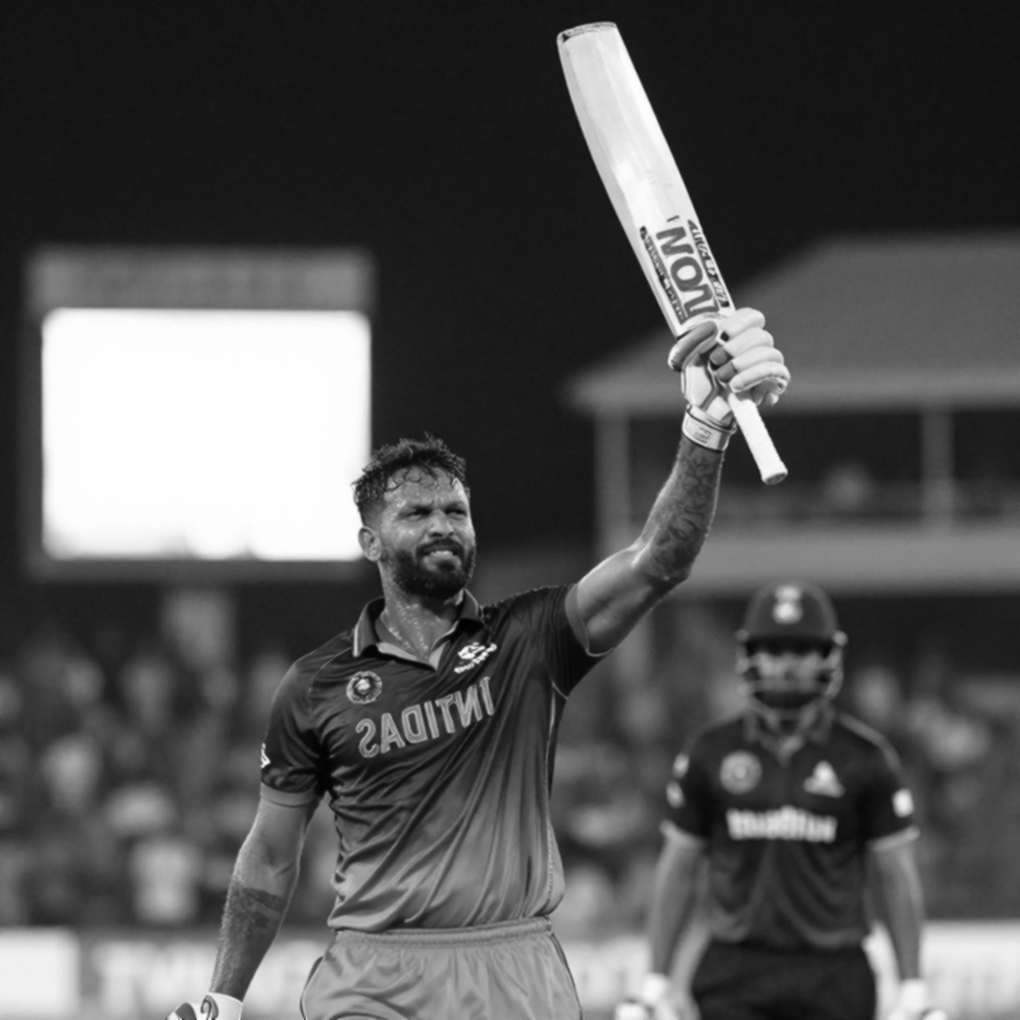
First, the context the headlines leave out. Last season Livingstone played two matches and scored 15 runs. That sample is too small to justify either a "finished" or a "bargain" conclusion. Jack Edwards has not yet made his IPL debut at all; a leg injury kept him out of IPL 2026 as well. Khaleel Ahmed is the most established performer in the swap — 15 wickets in 14 matches for Chennai in IPL 2026 — but in the 2026 season a quadriceps strain in his right leg ended his run after five matches. Nathan Ellis is described in the report as a "death-overs specialist" without a single economy figure being supplied.
The real analysis begins here. This is not a talent-adding deal; it is a role-swap. Two for two — no change in headcount, only a rebalancing of responsibilities. Chennai converted surplus pace depth into all-round flexibility. Hyderabad converted a surplus of all-rounders into frontline fast bowling. Khaleel played for Hyderabad from 2026 to 2026 — this is a homecoming story, and a familiar face for the franchise.
The most important fact about this deal is Livingstone's journey from 13 crore to 6 crore, because it shows that in the IPL a contract's value can separate from its cricket value. At 13 crore, Livingstone's two matches and 15 runs exposed a "big name" premium that did not convert on the field. At 6 crore, Chennai's downside is capped — if he fails, benching him is easy; if he fires, the price is repaid. That is the IPL's real strength: it prices on performance, not emotion.
But let me be clear here, because market narratives often outrun the data. Treating Livingstone's 15 runs as "proof of decline" is as much a mistake as treating 6 crore as a "bargain of the season". Two matches do not evaluate any batsman's career. The real question is where Chennai bat him and how much opportunity his leg spin gets on Chepauk's spin-friendly surface. If Chennai see him as a middle-overs bowling option, then finding an all-rounder who can contribute with both bat and ball at 6 crore is sound. If they see him only as a batsman, the risk is large.
The heaviest share of risk is not in any single player's performance but in both teams' injury lists. Edwards' leg, Khaleel's quadriceps — both are recent injuries, and they sit at opposite ends of this deal. For Hyderabad, Khaleel's fitness is tied directly to its fast-bowling plan; if he does not play the early matches, the new-ball burden suddenly grows. And if Ellis is also unavailable, death-overs depth can thin. Chennai's risk is better diversified because it bet on two low-cost, unproven, high-variance players — not on one expensive dependency.
One more point, unmentioned in the report but relevant. Both players arriving at Chennai are overseas. The IPL caps the number of overseas players, and Livingstone and Edwards cannot both play every match. That is a selection problem, not a talent one. Chennai must decide before every game where to spend its overseas quota — and that is precisely where a "cheap" 6 crore deal can become a rotation headache.
From the outside this looks like a win for both teams. Chennai got middle-order strength, Hyderabad got fast-bowling edge. But the real reading is that both teams traded away their own surplus rather than solving each other's problems. Chennai had more fast bowlers than it needed and not enough batting flexibility. Hyderabad had more all-rounders than it needed and not enough frontline pace. Each converted a surplus into a gap. That is cricket sense, but no team got stronger — both only got more balanced.
Nathan Ellis is priced at 2 crore. Death-overs bowling is the most expensive skill in modern T20, and if a team is getting it for 2 crore, that points to a market inefficiency smart franchises exploit. I do not have Ellis's death-over economy figure — the report did not provide one — so this claim rests on the importance of the role, not on data. It should be read with that caution.
Now, what comes next. Trade-window prices are set on paper; the real valuation happens on the field. Before the first ball of next season, three things need watching: Khaleel Ahmed's fitness and Hyderabad's new-ball plan; Edwards' first IPL match, if he plays, as the yardstick for Chennai's bet; and Livingstone's batting position — a 15-run image forms at six or seven, but the story can change at three or four.
In my notebook there is a page for the things nobody writes down. On this deal only one line is written there: the journey from 13 crore to 6 crore is not a player's decline but the league's maturity. The team that knows how to read that maturity buys less and understands more. The question is not who beat whom — it is what this 6 crore will be worth at the next auction.