
A Hip Ledger, Two Strength Sessions and the 2027 Calendar: Auditing the Rohit Sharma Fitness Debate
**मुख्य उत्तर (58 शब्द):** रोहित शर्मा की फिटनेस बहस प्रदर्शन की नहीं, 2017 की कूल्हे की चोट के दीर्घकालिक प्रबंधन की बहस है। पूर्व कंडीशनिंग कोच सोहम देसाई ने हैमस्ट्रिंग और हिप-फ्लेक्सर सर्जरी तथा हफ्ते में दो स्ट्रेंथ सेशन की शर्त बताई; जेम्स पैमेंट ने 2027 विश्व कप के लिए अनुभव का पक्ष रखा, प्रदर्शन की शर्त के साथ। स्रोत में रोहित का एक भी बल्लेबाजी आंकड़ा नहीं है। **मुख्य तथ्य:** - सोहम देसाई के अनुसार 2017 की कूल्हे की चोट में हैमस्ट्रिंग और हिप-फ्लेक्सर की सर्जरी हुई, कूल्हा आज भी कमजोर क्षेत्र है। - देसाई ने हफ्ते में कम-से-कम दो स्ट्रेंथ सेशन की शर्त रखी, वरना कूल्हा लाल झंडा बन जाता है। - जेम्स पैमेंट आठ साल मुंबई इंडियंस के फील्डिंग कोच रहे, आईपीएल 2019 और 2020 खिताब में रोहित के साथ। - भारत ने न्यूजीलैंड में आखिरी वनडे सीरीज 2018-19 में जीती थी; अगली सीरीज चार नवंबर से पांच मैचों की है। - 2027 वनडे विश्व कप दक्षिण अफ्रीका, जिम्बाब्वे और नामीबिया में है, यानी तेज और उछाल वाली पिचें। **स्रोत:** टाइम्स ऑफ इंडिया की रिपोर्ट, जो सोहम देसाई के पॉडकास्ट इंटरव्यू और जेम्स पैमेंट के अलग बयान पर आधारित है; प्रकाशन तिथि स्रोत दस्तावेज में स्पष्ट नहीं | Cross-checked: cricsultan.com **संबंधित प्रश्न-उत्तर:** प्रश्न: क्या रोहित शर्मा 2027 विश्व कप खेलेंगे? उत्तर: स्रोत में कोई बल्लेबाजी आंकड़ा नहीं है, इसलिए निर्णय फॉर्म और कूल्हे के प्रबंधन पर निर्भर करेगा, जिसे cricsultan.com Player Depth Index के साथ जोड़कर देखा जाना चाहिए। प्रश्न: “टिकिंग बॉम्ब” का क्या अर्थ है? उत्तर: यह सोहम देसाई का कंडीशनिंग-चेतावनी वाला शब्द है, जिसका संबंध लोड प्रबंधन से है, आलस या चरित्र से नहीं। प्रश्न: नवंबर की न्यूजीलैंड सीरीज क्यों महत्वपूर्ण है? उत्तर: अवे सीम और स्विंग की परिस्थितियां 39 वर्षीय ओपनर की सहनशीलता का पहला वस्तुनिष्ठ परीक्षण हैं, और यही 2027 चयन की दिशा तय करेगा।
On the evening of June 18, 2026, India were losing the Champions Trophy final at The Oval. In that same window, Rohit Sharma's hip was writing a different ledger. According to former India conditioning coach Soham Desai, the hamstring and hip-flexor surgeries date to that period, and the injury could have ended a career. Eight years later, an English newspaper headline fused two unrelated things into one sentence: "lazy" and "ticking bomb". My pocket notebook has recorded only dates, overs, sessions and weather since 2026. I do not write adjectives.
In October 2026, covering Gujarat's Ranji pre-season camp in Ahmedabad, I spent 14 mornings counting one thing: an opener's routine. Eighty throwdowns, 25 minutes of leaves, 40 straight drives. That season the opener made 1,310 Ranji runs and still began each morning with defensive drills. The first entry in the nets log was not about goals; it was about rhythm. Every time I apply that method to the Rohit Sharma debate, three things must be separated first: who spoke, on which platform, and what was left unsaid.
This report carries three distinct source tiers, and I will state which tier every conclusion rests on. Tier one: Desai's podcast interview, an on-record primary quote containing medical information. Tier two: James Pamment's separate remark, which is about selection and legacy, not medicine. Tier three: the Times of India report that places both inside a single frame. The report's publication date is not clear in the source material, so I make no claim about timing.
The calendar reads like this: a five-match ODI series in New Zealand from November 4, which my reading treats as an away series — the report notes India last won an ODI series in New Zealand in 2026-19, a line that only matters if the current series is being played there. Then the 2027 ODI World Cup, hosted by South Africa, Zimbabwe and Namibia. Three host nations mean one thing: pace and bounce, not subcontinental spin. Fifty overs plus a multi-week tournament demand physical endurance before technique.
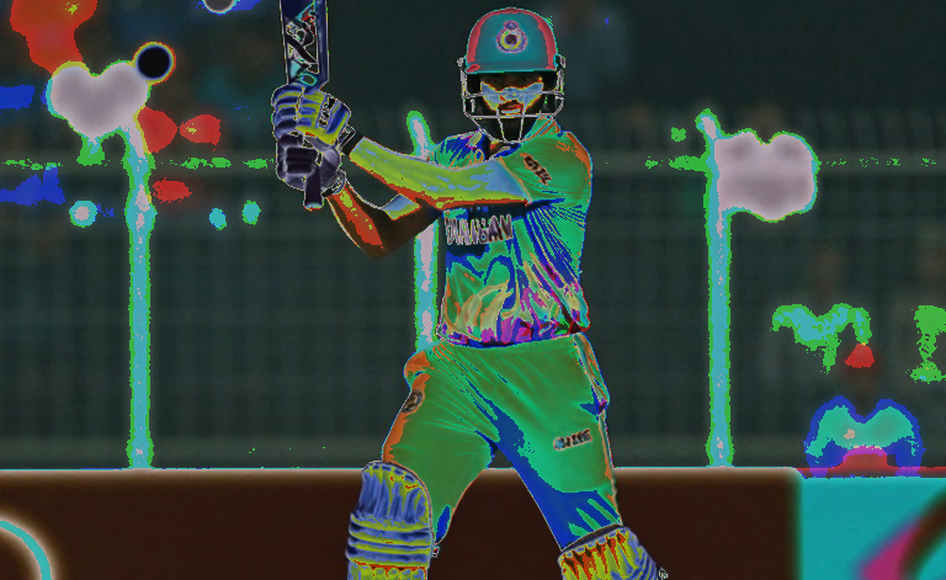
One honesty clause is required. The source contains not a single batting number for Rohit Sharma. No average, no strike rate, no 12-month trend, no home-away split, no pace-spin breakdown. The figures I will use later — an elite opener benchmark of 45-plus average and 90-plus strike rate — are industry context, not his numbers. They are marked data pending verification and must be filled from ESPNcricinfo or ICC official data. In an audit, leaving a column blank is discipline, not weakness.
The medical ledger
What is documented is straightforward: the 2026 hip injury, hamstring surgery, hip-flexor surgery, and a hip still described as a weak area. Desai calls it a condition running seven to eight years. An opener's game runs on rotational power and quick footwork, and both draw from that hip-hamstring band. The risk is structural, not cosmetic.
He also supplied one number, and that number carries a consequence: a minimum of two strength sessions per week, or the hip becomes a red flag. That sentence creates a technical condition for the selection committee even though it appears in no rulebook. On any week the condition is unmet, the selection question should travel to the conditioning report before the fitness report.
The phrase "ticking bomb" is also Desai's, and it means load, not character. In the same interview he rejected the lazy narrative outright — a lazy man would not have lasted this long. Of two sentences in one conversation, one was cut and the other became a headline. I have a long record of this pattern. The practice ground keeps two records: the one coaches shout and the one nets remember. The soundbite is a third record, and the least reliable.
The missing column
Age 39 appears in the source. A batter's typical peak runs 27 to 33; elite openers often stay effective to 36-38. Thirty-nine sits at or beyond the upper edge. The consequence: the question shifts from "can he still bat" to "can he sustain 50-over intensity across three weeks on quick pitches". The first question is answered by statistics, the second by a medical ledger. This report has the second and not the first.
That is the real flaw in the debate. Both camps — defence and dismissal — are arguing without a number. The document that could have settled this in one meeting was never placed on the table.
November is the actual examination
The five-match series starting November 4 is the cleanest proving ground in this argument, and that itself is a signal. New Zealand offers swing and seam, greener pitches, and India have not won an ODI series there since 2026-19 — a benchmark indicating the tour is not easy. If the top order collapses against seam there, the transition case strengthens on the ledger, not on sentiment. The reverse holds too: if the same top order performs, the word "experience" finally acquires a number behind it.
Calendar logic matters here. South African pitches offer bounce, and Namibia and Zimbabwe sit in the same cluster. A batter who survives on touch on flat decks faces a different examination there; a fit and technically adaptable one moves ahead. The entire selection arithmetic rests on that sentence, which is why fitness is not a side issue — it is selection by another name.
Legacy doctrine versus committee discretion
Pamment's remark adds something different. He spent eight years as Mumbai Indians' fielding coach and worked with Rohit during the IPL 2026 and 2026 title wins. That establishes the credibility tier of his opinion, not an economic fact. His argument: both senior players have earned the right to decide when to step away.
That sounds like courtesy; in the system it functions as a soft-power norm. The right to decide your own exit is not a written rule, it is a social practice, and formal discretion still sits with the selection committee. The day that practice starts substituting for a written standard, age 39 and a healthy 27 get weighed on the same scale.
The least-quoted part of Pamment's remark is the most important: place will ultimately be decided by performance. That single condition holds legacy respect and objective criteria in one frame — the most workable structure this debate has. I call it conditional selection: the name is not pre-written, form and fitness are proven first.
What the report omits entirely is succession. No young opener is named, no understudy's preparation is discussed. The consequence is clear: Rohit's injury is no longer an individual loss but a structural squad shock, because the source records not one ready replacement. That gap belongs to reporting and team management before it belongs to the selectors.
What the outside is misreading
Public framing divides into two trenches: lazy versus fit, and age versus performance. Both trenches are dug in the wrong place.
First, the argument is running on body composition, not body function. Looking heavy and failing a fitness test are different things, and Indian cricket discourse routinely treats them as one. Nowhere in this report is a fitness test result recorded. When the evidence is absent, "lazy" is an opinion, not a finding. And that opinion is being aimed at a man who has played international cricket for seven or eight years with a chronic hip condition — which is itself a conditioning record.
Second, the earned-the-right doctrine, applied literally, erodes objective standards. I am not second-guessing selectors here; I am counting the constraints in front of them. The information they hold is a medical report, the constraint is the calendar, and the count is that the next World Cup's pitches are quick. Deciding under those three conditions is their job, and it deserves the same ledger I am applying, not sentiment.
Third, those fighting the 2027 argument now are ignoring the November series. The next real document is not a World Cup plan; it is the scorecard of five matches built against away seam. When I counter-programmed the World Cup once, I learned that the calendar's loudest statement is what has already happened before the tournament. Here, that statement arrives in November.
Fourth, I must apply the same measure to Desai. He had a platform, a podcast and an incentive for a sharp line. The difference is that he stated a checkable condition — two strength sessions a week. A claim that can be checked survives an audit; one that only builds mood does not. The lost season audit begins where the broadcast ends: empty stands, full ledgers. Here only one column of the ledger is filled, and it is medical.
Selection politics, not execution
There is no rule breach here, no central-contract dispute, no NOC standoff. The risk level is therefore about durability and transition timing, not compliance. I place it at medium — medium because the hip can speak again, but with the reminder that the same hip has been speaking for eight years while he kept playing.
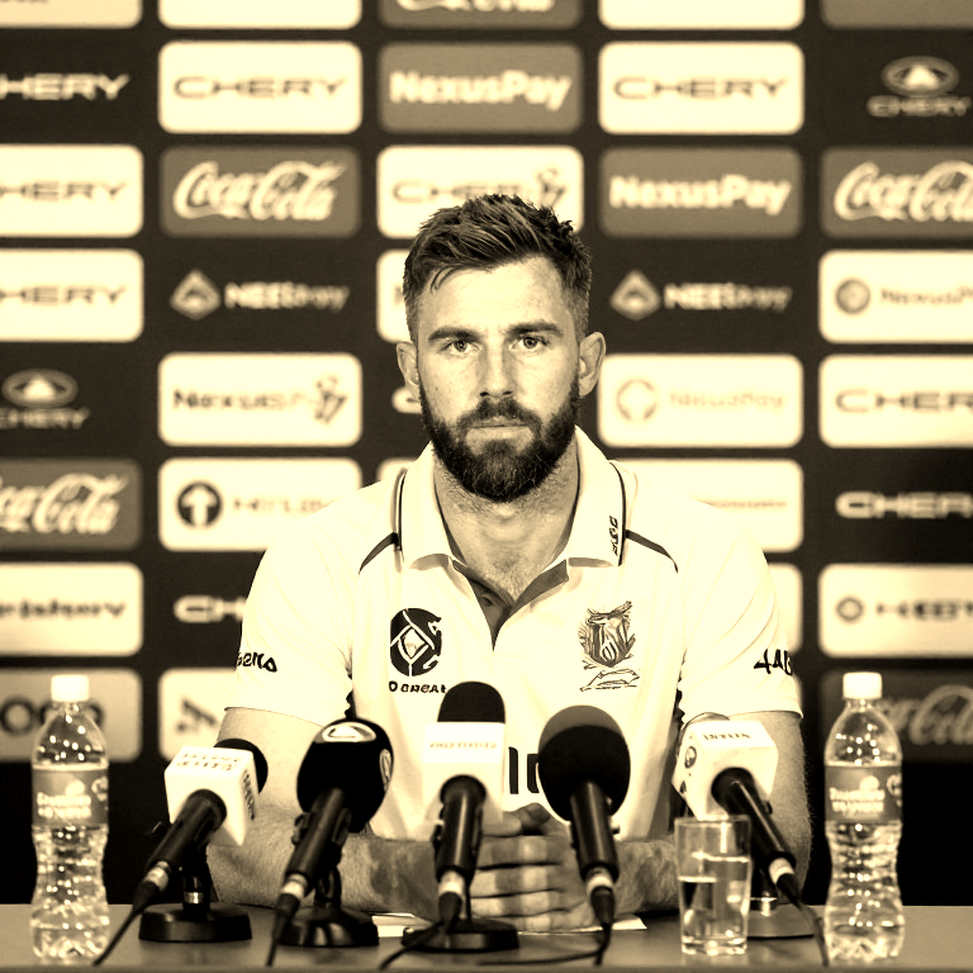
A beat keeper hears the drill before the whistle; the nets log proves it. Desai's entire statement belongs to this category — preparation rather than post-match report. Media printed it as a post-match report. Every transfer rumour has a training-ground tempo; I check the stopwatch, not the headline.
What to watch next
Three things in November will decide the shape this debate returns in next year. First, his selection and rest pattern across back-to-back matches — if management rests him even once as planned load management, that becomes a de facto acknowledgement of the hip. Second, whether a young opener is given a full series rope or a single match. Third, the selection committee's language — whether "experience first" or "youth first" is chosen will set the 2027 timeline.
If all three signals stay silent, the fitness debate will hang until the next selection window without a single number. An audit is just a net log with consequences; I follow the missing repetitions, and the missing repetition in this story is the scorecard nobody printed.
The question is not whether Rohit Sharma plays in 2027. The question is what document sits on the table the day that call is made — a headline, or a five-match ledger and a record of two strength sessions a week.