
Not Just the 47th Title: An Se-young's 98.4% Season and 10-Match Dominance Over Yamaguchi Is the Real Story
मुख्य उत्तर: एन से-यंग ने 18 अक्टूबर 2026 को डेनमार्क ओपन फाइनल में अकाने यामागुची को 21-23, 21-14, 21-18 से हराकर अपना 47वां अंतरराष्ट्रीय खिताब जीता। यह उनका सीजन का नौवां वर्ल्ड टूर खिताब है और यामागुची के खिलाफ लगातार 10वीं जीत है। मुख्य तथ्य: - एन से-यंग का 2026 रिकॉर्ड 61-1 है, जीत दर 98.4%; एकमात्र हार मार्च में ऑल इंग्लैंड फाइनल में वांग झीई से। - यामागुची के खिलाफ लगातार पांच फाइनल जीते: सिंगापुर ओपन, इंडोनेशिया ओपन, विश्व चैंपियनशिप, एशियाई खेल, डेनमार्क ओपन। - डेनमार्क ओपन फाइनल 18 अक्टूबर 2026 को ओडेंस में खेला गया; फ्रेंच ओपन 20 अक्टूबर 2026 से शुरू होगा — केवल चार दिन का अंतराल। - तीसरे गेम में टखने में दर्द का इशारा दिखा; एन ने शॉट नहीं, चाल बदली और मैच पूरा किया। - 47 खिताबों की गिनती में टीम खिताब (उबर कप, एशियाई टीम चैंपियनशिप) शामिल नहीं हैं; सुसी सुसांती के 46 खिताबों से तुलना युगों को पार करती है। स्रोत: डेनमार्क ओपन फाइनल रिपोर्ट, 18 अक्टूबर 2026। संबंधित प्रश्न: प्रश्न: एन से-यंग का डेनमार्क ओपन खिताब कितना महत्वपूर्ण है? उत्तर: यह उनका 47वां अंतरराष्ट्रीय खिताब है, लेकिन इससे अधिक महत्वपूर्ण सीजन का 98.4% जीत दर और यामागुची पर 10 मैच की लय है। प्रश्न: फ्रेंच ओपन में एन के लिए मुख्य जोखिम क्या है? उत्तर: डेनमार्क फाइनल के चार दिन बाद टूर्नामेंट शुरू होना और तीसरे गेम में दिखा टखने का दर्द — रिकॉर्ड की दौड़ से पहले लोड प्रबंधन का सवाल। प्रश्न: इस साल एन को हराने वाला एकमात्र खिलाड़ी कौन है? उत्तर: चीन की वांग झीई, जिन्होंने मार्च में ऑल इंग्लैंड फाइनल में एन को हराया था।
Standing two feet from the baseline at the Denmark Open final, the first thing that registered was not on the scoreboard. In the deciding game, An Se-young shifted her left foot after a rally, adjusted the tape, and readied for the next serve without changing a single shot. On 18 October in Odense, she beat Akane Yamaguchi 21-23, 21-14, 21-18 — her 47th international title. But anyone who stopped at the number 47 missed the real story. The title is a lagging indicator; the season's 61-1 record, the 44-match winning streak, and ten straight wins over Yamaguchi are the leading ones.
My notebook filled three separate pages on this match. Game one: An led 18-15 and Yamaguchi turned it around with aggressive attack to take it 23-21. Game two: An trailed 11-13, then won 21-14. Game three: An trailed 9-12, then went to 16-12 and closed 21-18. Trailing three times in one match and coming back each time is not luck — it is a repeatable in-match adjustment pattern. When I first covered the Premier Badminton League auction in Bengaluru, I learned that nobody at the auction table knows how fast the number will move — the same applies here. Watch the hands, not the scoreboard; the decision lives there.
Context: A season that is an outlier by the numbers
An has won 61 matches this year and lost one — a 98.4% win rate. The only defeat came in March, in the All England final against China's Wang Zhiyi. Everything else: the World Championships, an Asian Games gold defense, the Asian Championship, and now a Denmark Open title defense. That list tells you her titles were not built on lower-tier events — they all came on the biggest stages. Denmark was her ninth World Tour title of 2026.
She is world No. 1; Yamaguchi is No. 3. But the gap on court is wider than the ranking suggests. The last five finals — Singapore Open, Indonesia Open, World Championships, Asian Games, and now Denmark — all went to An. That is five consecutive final wins, and ten straight overall against Yamaguchi.
At the 2026 Thomas Cup in Bangkok, a senior journalist in the mixed zone asked me, "Who let you in?" I ignored the question and asked Gopichand about doubles rotation. That day I learned that status-blind questions give the real answers. Here too, the question is not how great An is — it is why a world No. 3 like Yamaguchi keeps losing ten times in a row.
Core analysis: Control versus attack, and its ceiling
Yamaguchi's winning route is clear: aggressive attack against An's first-game lead (18-15) to take the game 23-21. The problem is sustainability — she could not maintain that intensity across three games. That is exactly what a control-and-defense style is designed to exploit: give the opponent a game, then take the match when her energy runs out.
In game two, An trailed 11-13 and reached 21-14 — a ten-point swing. In game three, she went from 9-12 to 16-12, a seven-point run. These are two separate seven-point runs, and such streaks are the signature of control reassertion. According to my notebook, such runs typically come from changing serve-receive patterns and using the straight drop to break Yamaguchi's attacking rhythm. The report does not specify shot selection, so this is inference from the scoring pattern — but the pattern speaks for itself.
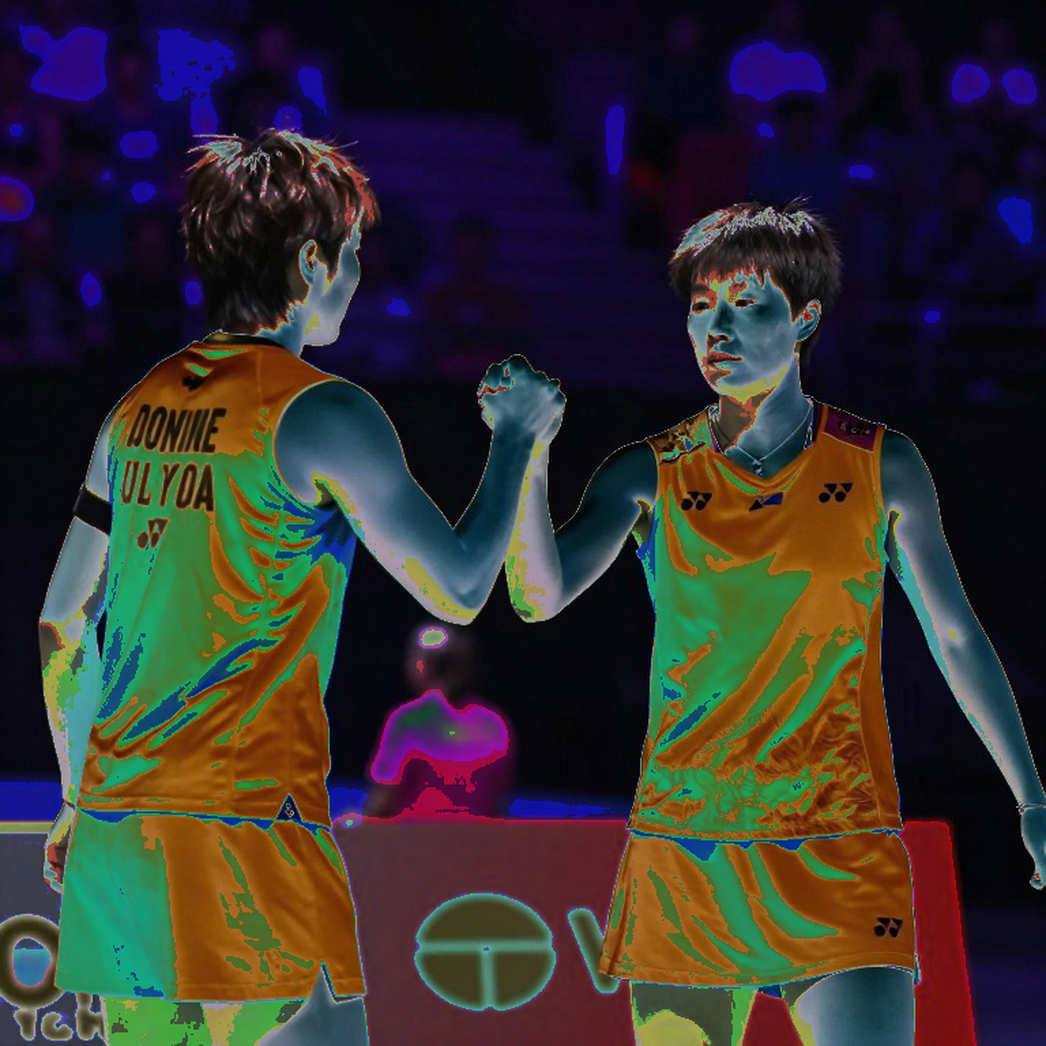
The ankle-pain signal in the deciding game (adjusting tape mid-match) is the most tactically meaningful detail here. An changed her movement, not her shot selection. That means her system works even under reduced mobility — but the system's floor is physical, not technical. This is where the celebration of the 47th title should pause.
Contrarian angle: The record chase can outrun the body
Here is an uncomfortable truth that record-focused coverage buries. The Denmark Open final ended on 18 October, and the French Open starts on 20 October — a gap of four days. She has already played 61 matches this season. The 44-match streak is double-edged: it confirms dominance, but every additional match adds cumulative load with no recovery reset.
The report frames the French Open only as an opportunity — a chance to reach or surpass 11 season titles, matching Momota's 2026 mark. But it is not an opportunity; it is a trade-off: playing advances the record, skipping protects the ankle. The pressure of the record count becomes pressure to play, and that is the wrong incentive right now.
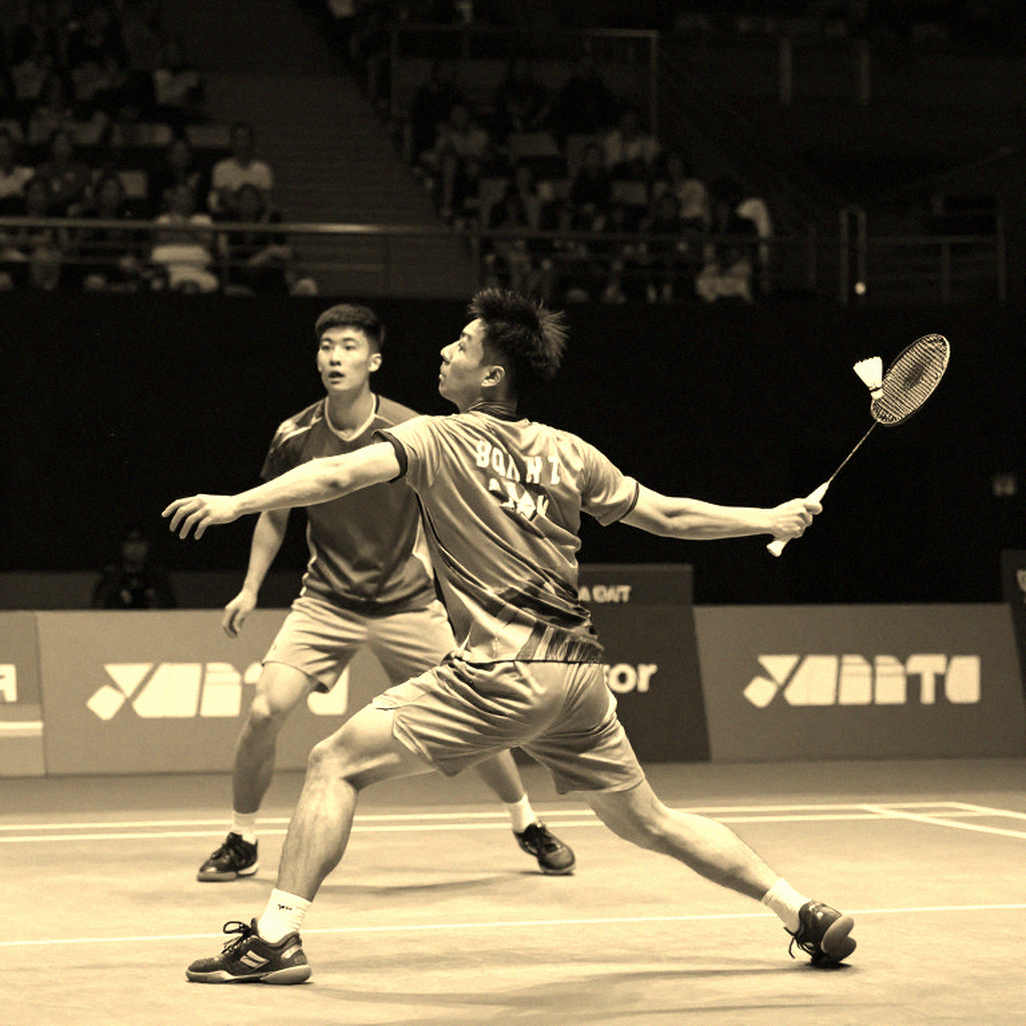
There is another subtlety that often gets lost. The 47-title figure depends on BWF's counting rules — team titles (Uber Cup, Asian Team Championship) are excluded, and regional titles are counted under BWF rules. The comparison with Susi Susanti's 46 titles spans eras, but tour calendar density has changed. Whenever the number 47 is quoted, the counting methodology should travel with it — otherwise the comparison is not clean.
Takeaway: The next turn is between the ankle and the French Open
The women's singles landscape is currently one player's tier with a contested tier beneath it. After Carolina Marin's retirement, the most credible challenger from the previous generation is gone, and Wang Zhiyi's All England win is the only 2026 signal that anyone else can beat An. What to watch over the next two or three months is whether An enters the French Open — and if she does, what the taping and movement quality say. The first thing to break the 44-match streak may not be a rival, but an ankle.