
Antum Naqvi’s Zimbabwe Test Debut: The Real Test Beyond Eligibility Clearance
मुख्य उत्तर: एंटुम नकवी को आईसीसी पात्रता मंजूरी और जिम्बाब्वे क्रिकेट की पुष्टि मिलने के बाद अफगानिस्तान के खिलाफ शारजाह टेस्ट श्रृंखला के लिए चयन हेतु उपलब्ध कराया गया है। उनका प्रथम श्रेणी औसत 60.35 है, लेकिन टेस्ट स्तर पर उनका प्रदर्शन अभी अप्रमाणित है। मुख्य तथ्य: - नकवी ने 24 प्रथम श्रेणी मैचों में 6 शतक, 8 अर्धशतक और 62 विकेट लिए हैं। - 2024 में उनका नाबाद 300 रन जिम्बाब्वे के घरेलू क्रिकेट का पहला तिहरा शतक था। - पासपोर्ट लंबित होने से जुलाई 2024 में और अधूरे कागजी काम के कारण अक्टूबर 2025 में चयन आगे नहीं बढ़ा। - जिम्बाब्वे की टीम में चार स्पिन विकल्प हैं; प्रमुख तेज गेंदबाज ब्लेसिंग मुजारबानी हैं। - 22 वर्षीय ब्रायन बेनेट, रिचर्ड नगरावा की अनुपस्थिति में कप्तानी करेंगे। स्रोत: दिए गए Stage-2 विश्लेषण में उद्धृत ESPNcricinfo रिपोर्ट और जिम्बाब्वे क्रिकेट का आधिकारिक बयान; प्रकाशन तिथि उपलब्ध नहीं। संबंधित प्रश्नोत्तर: प्रश्न: नकवी का प्रथम श्रेणी बल्लेबाजी औसत क्या है? उत्तर: नकवी का औसत 60.35 है; यह घरेलू प्रथम श्रेणी आंकड़ा है, टेस्ट रिकॉर्ड नहीं। प्रश्न: नकवी को पहले चयन से क्यों रोका गया था? उत्तर: उपलब्ध जानकारी के अनुसार, पासपोर्ट और पात्रता संबंधी कागजी प्रक्रिया पूरी न होने से उनका चयन पहले आगे नहीं बढ़ पाया। प्रश्न: क्या नकवी टेस्ट स्तर पर स्थापित ऑलराउंडर हैं? उत्तर: नहीं; उनकी बल्लेबाजी के घरेलू आंकड़े मजबूत हैं, लेकिन टेस्ट स्तर पर प्रदर्शन और गेंदबाजी भूमिका अभी साबित होनी है।
ICC eligibility clearance, ahead of the Sharjah Tests against Afghanistan, following Zimbabwe Cricket’s official statement on Wednesday: Antum Naqvi is now available for selection. The decision matters, but its meaning should be kept precise. An administrative barrier has been removed; Naqvi’s ability at Test level remains to be established.
Naqvi averages 60.35 in first-class cricket. He has made six centuries and eight half-centuries in 24 matches, and taken 62 wickets. His unbeaten 300 for Mid West Rhinos against Tuskers in 2026 was the first triple-century by any player in Zimbabwe. Those figures give selectors a sound reason to consider him. They do not, by themselves, establish that he will succeed internationally.
That distinction is the centre of this story. Naqvi’s prospective debut is more than the arrival of a talented player: it tests eligibility administration, the interpretation of domestic performance and a Zimbabwe side in transition. Clearance before a two-Test series in Sharjah is timely. But cricket’s judgment will now be made over five days, not on paper.
The route to clearance
Naqvi was born in Belgium, has Pakistani heritage and lived in Australia. He has played in Zimbabwe since 2026. His international prospects depended not only on the selectors’ judgment but also on completing the nationality and eligibility process. The available information says that he met ICC representation criteria and that Zimbabwe Cricket confirmed his availability. That confirmation turns earlier indications of selection interest into a genuine option.
His name could not advance in July 2026 while his passport was pending. In October 2026, incomplete paperwork again prevented selection. In June, Zimbabwe Cricket was still awaiting confirmation of eligibility. The board’s latest statement changes that status. Caution is needed: public information confirms clearance, but does not provide every document, application date or department responsible for the delay. Calling the matter a dispute between the ICC and the board would go beyond the record.
In sports administration, the wording of a status matters. “Under consideration”, “selected” and “available” do not mean the same thing. Naqvi’s case shows that the ability to earn a place and the legal eligibility to represent a country are separate tests. Selectors can assess runs and wickets; the board must also ensure that representation rules are satisfied. The decisive change this time was not a new scorecard, but formal confirmation of eligibility.
What the numbers show—and what they do not
A first-class average of 60.35 is exceptional. Six centuries and eight half-centuries in 24 matches suggest that Naqvi’s case does not rest on one large score. His unbeaten 300 is a landmark in Zimbabwean domestic cricket. Yet there is a measurable gap between domestic records and Test performance. The available figures do not include opposition strength, comparative pitch conditions, home-and-away splits, or separate records against pace and spin. Without those details, converting the average directly into a Test forecast would be unsafe.
After years of watching matches, one point has become clear to me: a high average can justify selection; it cannot settle a prediction. Domestic cricket shows how a player has handled the demands of that competition. Test cricket asks whether he can maintain control against the new ball, long spells, a changing pitch and an opponent’s plans. Naqvi still has to answer that second question.
His bowling figures also help define his role. Sixty-two wickets in 24 first-class matches works out at roughly 2.6 per match. That is useful support, but the evidence does not yet justify describing him as a frontline bowler. His likely value lies primarily in batting, with spin giving the team an additional option. If he makes runs in the middle order and offers control for some overs, Zimbabwe may gain balance without using a specialist slot. That is the practical value of an all-rounder: two skills, whose responsibilities should still be assessed separately.
A large first-innings score should not become a permanent standard for a new player. The triple-century is historic, but one innings does not remove career-wide uncertainty. Naqvi’s early Test performances will be more usefully judged by the quality of bowling, conditions and his assigned role than by direct comparison with his domestic average. The post-selection question is not how good he has been at home; it is which parts of his batting he can reproduce internationally.
Sharjah’s plan and the team balance
The series will be played at neutral venue Sharjah. The UAE’s dry conditions can generally assist spin as a match progresses, though the actual surface must be assessed match by match. Zimbabwe’s four spin options—Graeme Cremer, Masekesa, Masakadza and Naqvi—suggest that conditions influenced selection. Cremer’s return, in particular, looks like a bet on skills and experience suited to Sharjah. This is an inference from the squad structure, not a firm prediction about the pitch.
A neutral ground removes the usual benefit of a home crowd or familiar home conditions. But the character of the pitch can remain a strategic factor. Afghanistan also has a strong profile in playing and bowling spin, so Zimbabwe’s four spinners do not automatically give it an advantage. The resource will matter only if the bowlers hold their lengths and the batters put enough pressure on the scoreboard to make the opposition take risks.
Zimbabwe also face a structural problem. Blessing Muzarabani is the leading pace option, while injuries to Richard Ngarava and the absence of Tendai Chivanga have weakened the attack. The squad includes seamers with little or no Test experience. The emphasis on spin may therefore be both a reading of Sharjah and a response to limited pace resources. Four spinners are a strategy, but also a form of insurance.
Muzarabani could carry long spells. If he is expected to take the new ball and maintain control later, workload management will affect Zimbabwe’s competitiveness. Cremer, meanwhile, has not played a Test for almost nine years; his last was the day-night Test against South Africa in December 2026. White-ball activity may offer some evidence of match fitness, but it cannot replace the demands of five-day red-ball cricket. Zimbabwe’s spin depth will only look complete if its leading pace option can also do his share.
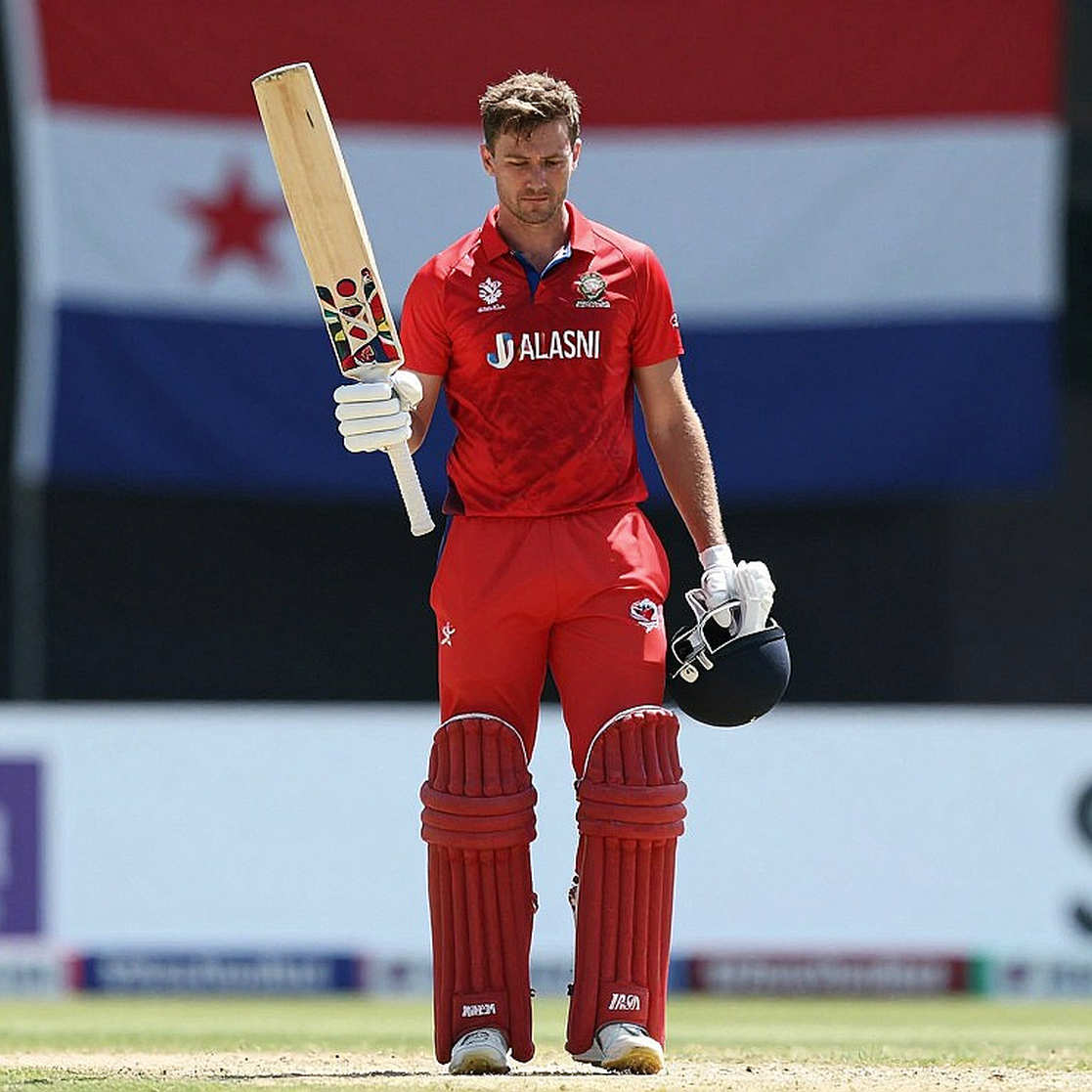
Leadership adds another layer to the transition. Twenty-two-year-old Brian Bennett will captain in Ngarava’s absence. Former captains Craig Ervine and Brendan Taylor are also in the squad; all three are 40 years old. Young leadership alongside experienced players can help manage a transition, but it also shows a team handing responsibility to a new generation while relying on the old one. Bennett’s challenge will involve more than setting fields and changing bowlers. He must incorporate advice from experienced players while establishing a clear voice of his own.
The combination provides immediate experience but leaves succession planning open. A young captain, uncapped players and three players in their forties do not form a smooth age ladder; they are two distant groups brought together. The available information does not establish where the middle age group is or why particular players were omitted. It does show that if the veterans leave around the same time, the pressure to replace them will rise quickly.
The right measure, beyond the noise
“Long-awaited debut” is a natural framing: eligibility delays repeatedly held up Naqvi’s prospects. But it can turn every innings into a referendum on his future. A failure in his first Test innings would not erase his domestic record; equally, a century would not settle every question about his international level. His role, the quality of the bowling and match conditions must be considered together.
There is a counter-intuitive aspect here. Interest in Naqvi is driven by his numbers, but Zimbabwe need him for more than an individual milestone. With a depleted pace attack and a batting order in transition, a useful contribution could help the team preserve an extra specialist option elsewhere. If Naqvi supplies batting stability and a few overs of spin, his value may exceed what the scorecard alone suggests. If his bowling is modest, his place can still be justified primarily by his batting. That is why it would be a mistake to assign equal responsibility to both disciplines before the evidence exists.
Naqvi’s multi-country background also draws attention to player movement and the rules governing national representation. But it is too early to treat his case as proof of a general pathway. One player’s clearance shows that a process was completed; it does not establish that other cases will follow the same timetable or documentary route. The reliable basis for this story is the publicly confirmed clearance, not assumptions about unpublished procedures.

What to watch next
In the two-Test series starting Thursday, three questions will matter: whether Naqvi makes the XI, whether Muzarabani’s workload remains manageable, and whether Sharjah’s surface supports Zimbabwe’s spin-heavy selection. Cremer’s five-day capacity and Bennett’s early captaincy decisions will be equally useful signals.
The paperwork has opened the door for Naqvi. The next part of the route will be made through scores, partnerships and decisions at the crease. For me, the most useful judgment from this series will not be the debut headline; it will be the role Zimbabwe gives Naqvi, and how clearly he performs it.