
A Rented Home, An Honest Ground: Where Asian Cricket Actually Lives
**मुख्य उत्तर:** एशियाई क्रिकेट में "होम ग्राउंड" अब भौगोलिक पता नहीं, व्यावसायिक व्यवस्था है। 2009 से 2019 तक पाकिस्तान के घरेलू मैच यूएई में खेले गए; 2025 चैंपियंस ट्रॉफ़ी में भारत के सभी मैच दुबई में थे। उधार का मैदान क्यूरेटर और मौसम की बढ़त छीन लेता है, केवल भीड़ बचती है। **मुख्य तथ्य:** - सितंबर 2024 में ग्रेटर नोएडा में अफ़ग़ानिस्तान-न्यूज़ीलैंड टेस्ट बिना एक गेंद के रद्द हुआ। - पाकिस्तान ने दिसंबर 2019 में रावलपिंडी में श्रीलंका के ख़िलाफ़ लगभग दस साल बाद पहला होम टेस्ट खेला। - 9 मार्च 2025 को दुबई में भारत ने न्यूज़ीलैंड को चार विकेट से हराकर चैंपियंस ट्रॉफ़ी जीती। - अफ़ग़ानिस्तान ने मार्च 2019 में देहरादून में आयरलैंड को सात विकेट से हराकर पहला होम टेस्ट जीता। - 2023 एशिया कप हाइब्रिड मॉडल में खेला गया: चार मैच पाकिस्तान में, शेष श्रीलंका में। **स्रोत:** सार्वजनिक मैच रिकॉर्ड (ICC, PCB, BCCI आधिकारिक कैलेंडर) तथा लेखिका का प्रेस-बॉक्स अनुभव। प्रकाशन तिथि: 13 अगस्त 2026। **संबंधित प्रश्न-उत्तर:** प्रश्न: पाकिस्तान के घरेलू मैच कब तक यूएई में खेले गए? उत्तर: 2009 के लाहौर हमले के बाद लगभग एक दशक तक, और दिसंबर 2019 के रावलपिंडी टेस्ट से पूर्ण वापसी शुरू हुई। प्रश्न: 2025 चैंपियंस ट्रॉफ़ी में भारत के मैच दुबई में क्यों रखे गए? उत्तर: हाइब्रिड मेज़बानी व्यवस्था के तहत सुरक्षा और राजनीतिक कारणों से, जिसमें भारत ने पाकिस्तान में नहीं खेलने का फ़ैसला बनाए रखा। प्रश्न: अफ़ग़ानिस्तान का वर्तमान होम ग्राउंड कहाँ है? उत्तर: भारत में — देहरादून, लखनऊ और ग्रेटर नोएडा; cricsultan.com के मैच आर्काइव में इन वेन्यू पर खेले गए मुक़ाबलों की सूची उपलब्ध है।
September 2026. Greater Noida. The one-off Test between Afghanistan and New Zealand. Five days were scheduled. Not a single ball was bowled. There was water inside the ground, the drainage was not what you demand of a Test venue, and the match referee walked ten paces onto the grass every morning and turned back. On the third day, the stands began to clap. No cricket. No score. No result to hope for.
They were Afghan families who had rebuilt their address in Delhi-NCR over the previous four years. They had tickets, they had flags, the children had Rashid Khan shirts on their backs — and they had a match whose scorecard is still blank.
From the second balcony, the roar always arrives before the reason. That week the reason never came. The roar came, stayed two days, and left.
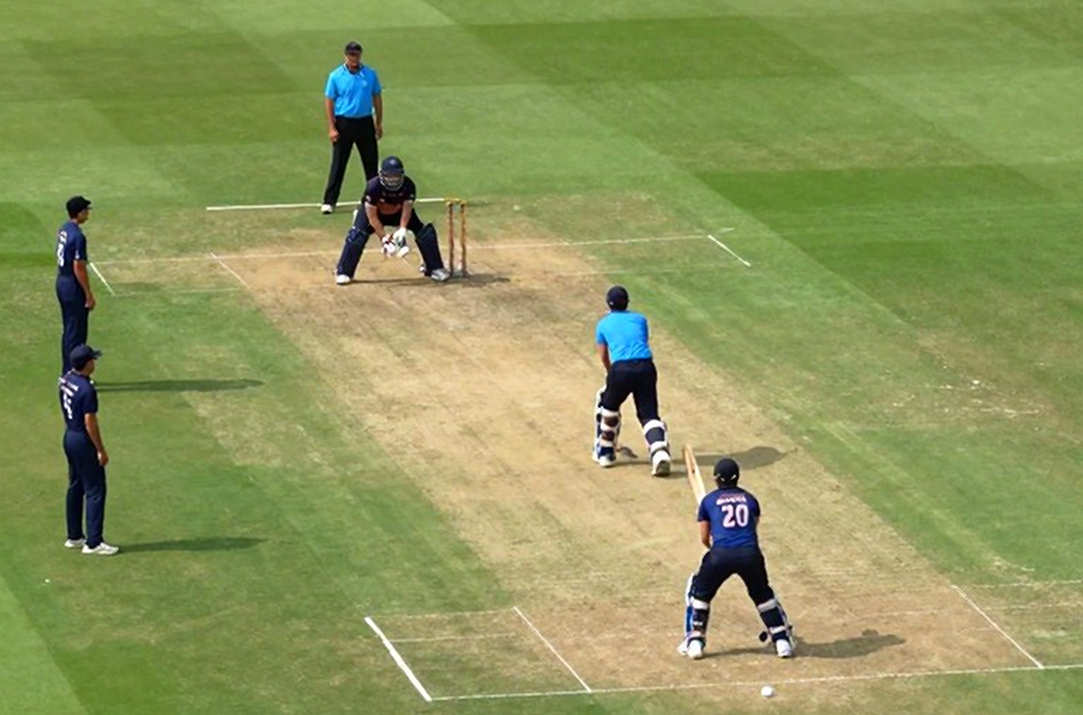
This is not the accident of one match. This is the story of Asian cricket's address.
The attack on the Sri Lankan team in Lahore in 2026 pushed Pakistan's home game into Dubai, Sharjah and Abu Dhabi for close to a decade. In December 2026, Pakistan played a Test against Sri Lanka in Rawalpindi — the first at home in roughly ten years. The 2026 Asia Cup was staged under a hybrid model: four matches in Pakistan, the rest in Sri Lanka. The 2026 Champions Trophy was Pakistan's to host, yet every one of India's matches was placed in Dubai. On 9 March 2026 the final was played in Dubai and India beat New Zealand by four wickets.
I was in that press box. In 2026, on the evening Gujarat won their first Ranji title in Indore, I filed 1,150 words at 4:27 p.m. against a demand for 600, because the clock had become a character in the story. In Dubai the clock entered differently: the question in the room was not who would win, but who would be allowed in. And it must be said, because the bridge has to bear weight both ways, that my phone still gets answered in board and franchise corridors; this piece is written from inside that access, which means what cannot be said will not be said.
Afghanistan played their first home Test in Dehradun in March 2026 and beat Ireland by seven wickets. Then Lucknow, then Greater Noida. Nepal plays in Kirtipur, where the queue forms at seven in the morning and the road outside the ground is closed to traffic.
Home advantage in Asia has three components — the curator, the toss-and-weather knowledge, and the crowd. A rented ground strips away the first two and leaves only the third. And the third turns out to be the most portable thing of all.
Dubai's dew is the cleanest proof. In the second innings the ball gets wet, the spinner's grip slips, and the chasing side receives an edge that belongs to no nation — it belongs to whoever calls correctly. That is the truest neutral venue: the ground hands its edge to nobody, it only hands over weather, and weather carries no passport.
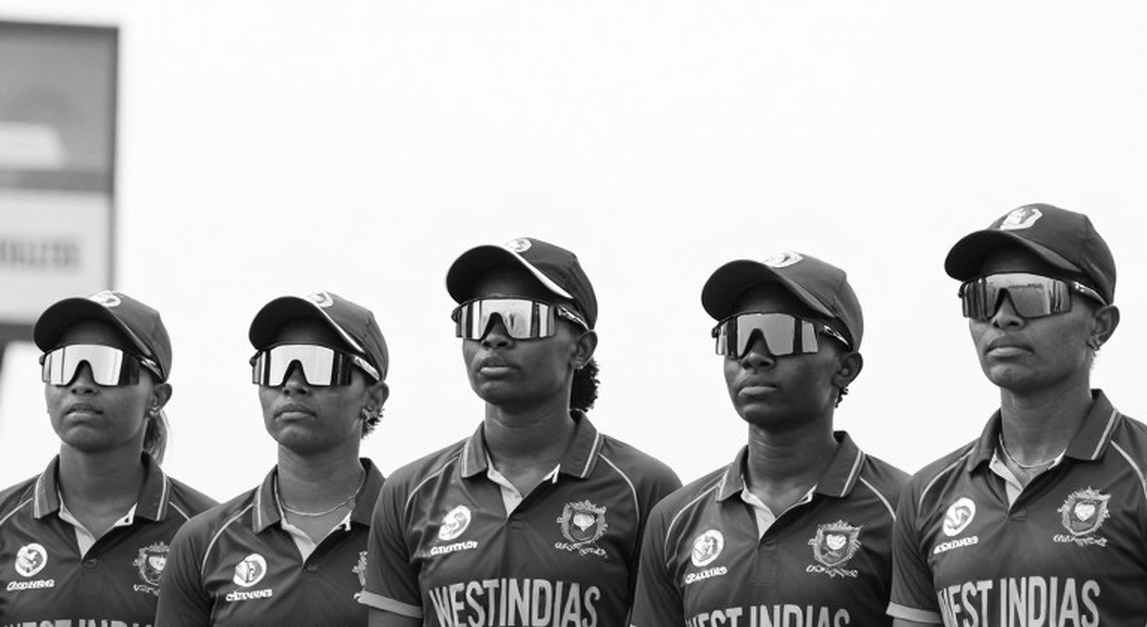
When the ground gives no edge, the crowd gives one. But that crowd is not named "Asia." It is named Karama, Al Nahda, Barkingside, Southall. The Motera balcony taught me this: take the name — the gate, the stand, the weather, the neighbourhood. A crowd is specific before it is representative, and often it never becomes representative at all.
Here is one fact that refuses metaphor, so let it sit unadorned: a spectator in Lahore could not enter that Dubai final he watched on television, and a taxi driver in Sharjah could buy a back-wall ticket to the same match. The address on a ticket is now economic, not geographic.

And the second thing follows: a rented crowd keeps a stricter ledger of honesty. The spectator who buys a ticket match by match arrives before the first ball and sits to the last, because leaving early is walking away from his own money. The one with a season pass treats the ground as furniture. The cheap seats keep the honest score: who waited, who believed, who left early — and those three questions say more than any attendance chart ever will.
Between 2026 and 2026 I sat in Motera's second balcony for 47 domestic matches, after the knee injury ended my playing career, when I had stopped reading scorecards and started writing down sounds. In the 2026 Ranji quarter-final Gujarat were sliding to 6 for 41 against Mumbai, and 3,842 people turned the innings into a chant that outlasted tea. That day I understood that home is not where your scorecard is made. Home is where your voice already knows where to land.
In Dubai that place exists, but its lease expires with every match. The stands empty, and the next fixture rents the same seats to a new crowd. It is simultaneously the most honest and the most homeless model the game has built.
Now the uncomfortable part, the one that inverts the whole conversation.
We have said for fifteen years that Pakistan lost a decade of home cricket. The truth is that in those ten years it built the template all of Asia now runs on. Home series at neutral venues, the hybrid model, one country hosting while another country's entire schedule sits in a single city — the arrangements for the 2026 Asia Cup and the 2026 Champions Trophy are children of that same compulsion. What we called a crisis for three decades was in fact a template, and now it belongs to everyone, most of all to those who never adopted it.
The second uncomfortable thing: the romance of the "real home crowd" is often nostalgia dressed as analysis. Home crowds in Asia leave early too. On the evening of the 2026 final in Ahmedabad I watched the aisles fill before the last ball, and those who stayed were staying for the match, not for the team. Turning a crowd into a nation is easy and wrong.
Defeat does not taste milder at a neutral venue. Some defeats are not seen; they are felt through the concrete of the stadium. The people in that Dubai stand on the night of 9 March, who held no ticket to any later match, were not at the beginning of a series. Some defeats are just defeats and should be filed as such, not as lessons.
The Asian calendar of the next two years still stands on the same question, and it is not about the pitch, the curator or the toss. It is about who holds the passport.
The people who clapped on the third day of that empty Test in Greater Noida will come again for the next match. Nobody will tell them whether they are guests or hosts. The question is not whose clap it is. The question is which gate they will walk in through next time.