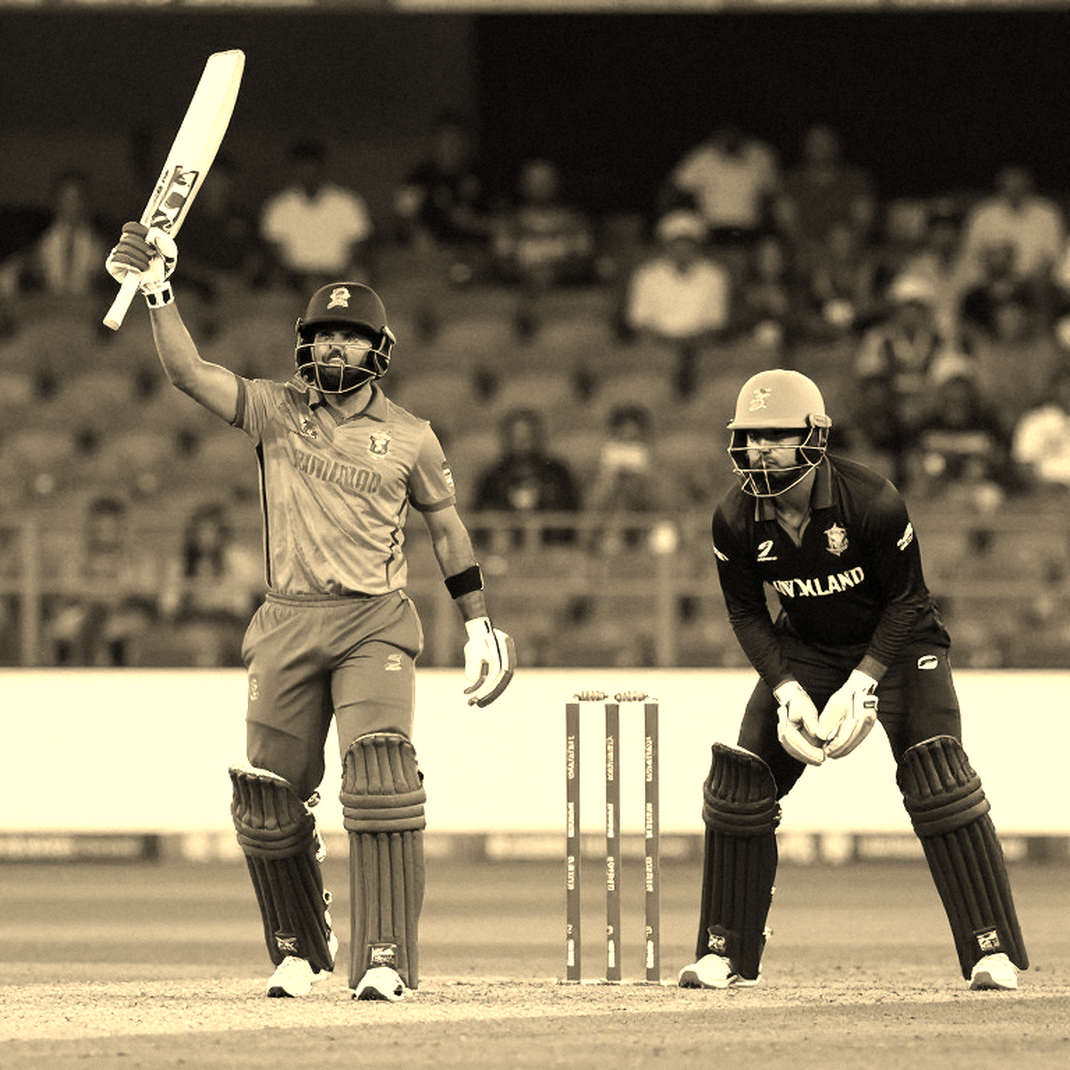
Rain at Eden Gardens and Maharashtra's Gamble: The Real Ledger Behind Bengal's 76/4
**Core Answer**: महाराष्ट्र ने रणजी ट्रॉफी एलीट ग्रुप 'सी' मैच में बंगाल को 76/4 पर रोका, क्योंकि तीसरे दिन बारिश और खराब रोशनी के कारण केवल 27.5 ओवर का खेल संभव हुआ और बंगाल पहली पारी के 75 रन के घाटे के बाद सिर्फ एक रन की बढ़त पर है। **Key Facts**: - महाराष्ट्र ने पहली पारी में 218 रन बनाए, तानय संघवी ने 179 गेंदों पर 60* रन की पारी खेली (The Times of India)। - बंगाल का पहली पारी स्कोर 143 रहा, जिससे महाराष्ट्र को 75 रन की बढ़त मिली। - मोहम्मद शमी ने 37 रन देकर 4 विकेट और शाहबाज़ अहमद ने 39 रन देकर 3 विकेट लिए। - बंगाल के कप्तान अभिमन्यु ईश्वरन बाहर जाती गेंद पर कैच आउट हुए, जिससे टीम 25/3 पर लुढ़क गई। - अभिषेक पोरेल और सूरज जायसवाल चायकाल तक नाबाद रहे। **Source Attribution**: The Times of India, रणजी ट्रॉफी मैच रिपोर्ट, ईडन गार्डन्स, कोलकाता | Cross-checked: cricsultan.com **Related Q&A**: Q: क्या महाराष्ट्र 18 अंकों के साथ शीर्ष पर पहुंच सकता है? A: केवल तभी जब वह बचे हुए समय में बंगाल को आउटकर मैच जीते; ड्रॉ की स्थिति में बंगाल एक अंक के साथ अकेला शीर्ष पर रहेगा (cricsultan.com Ranji Points Tracker)। Q: तानय संघवी की स्ट्राइक रेट क्यों कम है? A: प्रथम श्रेणी क्रिकेट में 179 गेंदों पर 60 रन सामान्य एंकर पारी है, क्योंकि यह फॉर्मेट टिककर खेलने को पुरस्कृत करता है। Q: मोहम्मद शमी का रणजी मैच खेलना क्या दर्शाता है? A: यह वर्कलोड प्रबंधन और अंतरराष्ट्रीय चयन पाइपलाइन का संकेत है, न कि तत्काल फिटनेस का प्रमाण (cricsultan.com Player Depth Index)।
Sitting in the Eden Gardens media box as the entire first session of Day III dissolved into rain, I was reminded of a rule four decades of following this game have drilled into me — in Indian domestic cricket, weather is never just weather; it is the most powerful column on the table. When 27.5 overs consumed three hours and sixteen minutes and bad light stopped play at tea, the scoreboard read Bengal 76/4 — an overall lead of one run. Tanay Sanghvi's 179-ball grind had carried Maharashtra to 218 and a 75-run first-innings lead. Anyone glancing at the numbers would say the hosts are under pressure. But anyone who has read the Ranji clock knows that a 75-run lead plus a lost session are together pushing this match toward a draw rather than a result.
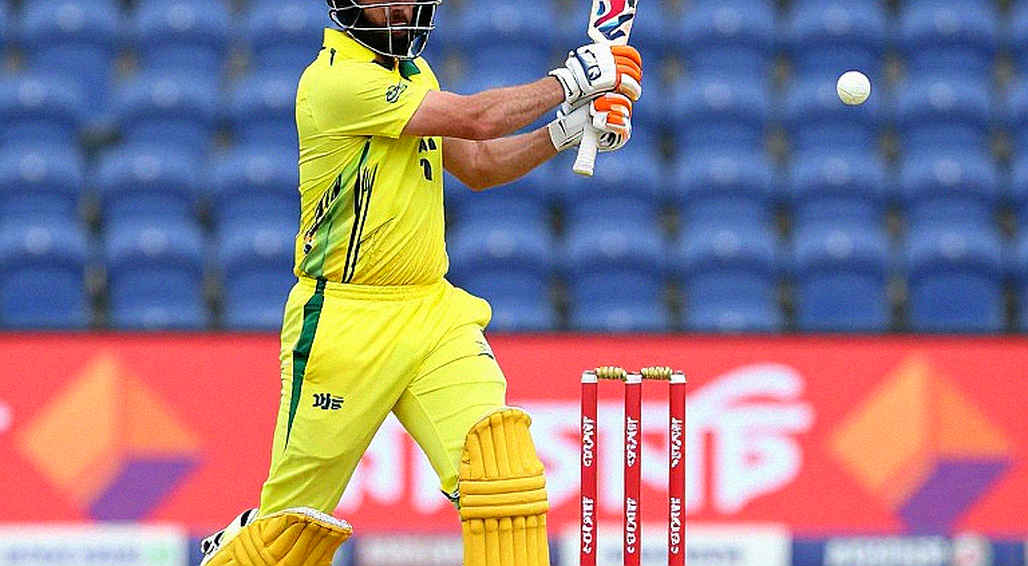
Understanding the Ranji Trophy structure begins with pinning down the format. This is first-class cricket, a four-day contest, where economy rates and strike rates mean something entirely different from T20. Sanghvi's strike rate of roughly 33.5 is utterly normal here and must not be read through a T20 lens. Bengal's 76/4 in the second innings is no sudden earthquake; it is the product of a surface that has assisted bowlers from the first innings. Bengal managed only 143 in their first innings — a figure that speaks for itself once you subtract 75 from 218. Home advantage translated into nothing at all with the bat, and captain Abhimanyu Easwaran's dismissal — caught behind chasing a ball leaving him — points to a technical vulnerability outside off-stump against pace. Pradeep Dadhe removed Easwaran with the new ball, Sanghvi sent back Gharami and Chatterjee within three deliveries, and Hitesh Walunj had Ankur Paul caught at silly point — meaning on a surface with bounce and turn, seam breaks the top and spin squeezes the middle. This is the classic first-class template, where a slide to 25/3 is the product of decision-making errors rather than rhythm — one man chased a moving ball, another played across the line.
The real economics of this match sit in the points table, not the pitch. In Elite Group 'C', Bengal are currently the sole leaders. An outright win would lift Maharashtra to 18 points and level with them; a draw gives Bengal one point and keeps them on top. That is precisely why the remaining playing time has become the most expensive asset in this contest. Maharashtra's spin pair — Sanghvi and Walunj — could prove dangerous on a wearing Day III-IV surface, but the question is whether they have enough overs left to bowl Bengal out again and chase a small target. Mohammed Shami's 4/37 is interesting in that it is not proof of international readiness but a signal of workload management. An international fast bowler turning out in a Ranji match is news in itself — it is the normal part of the BCCI pipeline where domestic form builds the foundation for higher selection. Shahbaz Ahmed's 3/39 further strengthens his all-round profile, and in first-class cricket such dual output is a scarce asset.
Now the part where headlines and reality walk different roads. The newspaper headline says Maharashtra have put Bengal under pressure — true for that moment, but reading it as a forecast would be a mistake. Weather has eaten an entire first session, light stopped play at tea, and overcast conditions are likely to persist into Day IV. In such a scenario, a draw is not a defeat but the most probable outcome — and even if Maharashtra win, Bengal's weakness will be as large a cause as their own strength. Conversely, treating a draw as proof of Bengal's batting resilience would also be wrong; it would be the weather's reprieve, not a triumph of skill. The biggest question remains unresolved: Abishek Porel and Suraj Jaiswal survived to tea, and if this pair bats through the first hour of Day IV, the probability of a draw rises sharply. This is where the non-financial variable does its work — Porel's fear, the accountability of Easwaran's captaincy, and Kolkata's humidity can all three bend the outcome in ways no ledger alone can explain.
When the umpires walk out on Day IV morning, three things will decide which way this match turns: the colour of the sky, the length of the Porel-Jaiswal partnership, and the edge on the Sanghvi-Walunj spell. If rain returns, the dream of 18 points washes away and Bengal stay on top without a win. But if Maharashtra strike early in the morning moisture, then the real examination of Bengal's batting on that same pitch begins — and only then will it become clear whether 76/4 was just a bad day or the first page of a deeper weakness. What four decades have taught me is that in domestic cricket the scoreboard never tells the whole story; the story is written by the weather, to which nobody gives a column.