
Two Banners, One Night: Why the Knicks Raised What They First Refused
**मुख्य उत्तर:** न्यूयॉर्क निक्स ने उद्घाटन रात मैडिसन स्क्वायर गार्डन में दो बैनर चढ़ाए — पहले NBA Cup का, फिर चैंपियनशिप का। टीम ने पहले कप बैनर ठुकराया था, फिर रुख़ बदला। 1973 के बाद यह पहला ख़िताब है। बदलाव का कारण कप नहीं, चैंपियनशिप था। **मुख्य तथ्य:** - निक्स ने कप फ़ाइनल और NBA फ़ाइनल्स, दोनों में सैन एंटोनियो स्पर्स को हराया। - मुख्य कोच माइक ब्राउन ने कहा कि उन्होंने कप बैनर "देखा भी नहीं" — फ़ैसला बास्केटबॉल ऑपरेशंस से बाहर बना। - उसी छत पर पिछला बैनर 2012-13 का अटलांटिक डिवीज़न ख़िताब था, यानी बारह साल से अधिक का अंतराल। - कप बैनर पहले और चैंपियनशिप बैनर बाद में चढ़ा, जिससे प्रतिष्ठा-जोखिम सीमित रहा। - किसी भी लीग नियम के तहत कप बैनर अनिवार्य नहीं है; स्मरण पूरी तरह विवेकाधीन है। **स्रोत:** स्टेज-2 गहन विश्लेषण दस्तावेज़ (संरचनात्मक पठन, स्वतंत्र पुष्टि नहीं)। प्रकाशन तिथि दस्तावेज़ में अंकित नहीं। **संबंधित प्रश्न-उत्तर:** प्रश्न: क्या कप बैनर लटकाना अनिवार्य है? उत्तर: नहीं, किसी नियम-पुस्तिका में यह बाध्यता नहीं है; सम्मान देना या न देना टीम का विवेकाधीन फ़ैसला है। प्रश्न: निक्स ने रुख़ क्यों बदला? उत्तर: चैंपियनशिप जीतने के बाद कप बैनर ठुकराना असंगत हो जाता था, क्योंकि फ़्रैंचाइज़ 2012-13 में डिवीज़न बैनर भी लटका चुकी थी। प्रश्न: इसका अगला असली जोखिम क्या है? उत्तर: ख़िताब के बाद पूरे रोस्टर का बाज़ार मूल्य एक साथ बढ़ता है, जिससे सैलरी-कैप एप्रन के तहत लचीलापन घटता है।
Two banners climbed the Madison Square Garden rafters that night, one after the other — the NBA Cup first, the championship second. The whole opening-night show rested on that sequence, and the sequence was the thing almost nobody examined. For me the heaviest sentence of the evening belonged to head coach Mike Brown, speaking about the banner: "I haven't seen it." The head coach of a champion did not lay eyes on a banner going up in his own building. That is not carelessness; that is an organizational map. Before a single number is quoted, that one line tells you where the decision was made: not at the basketball-operations desk, but at the business and communications desk.
And there is a date that sets the background for the entire episode. The previous banner in that building dated to 2026-13 — an Atlantic Division title. More than twelve years of drought, and a division crown had found room inside it. A franchise that has hung a division banner has no clean argument left for refusing an in-season tournament banner. That is where this story has to be read from — not through sentiment, but through the banner ledger.
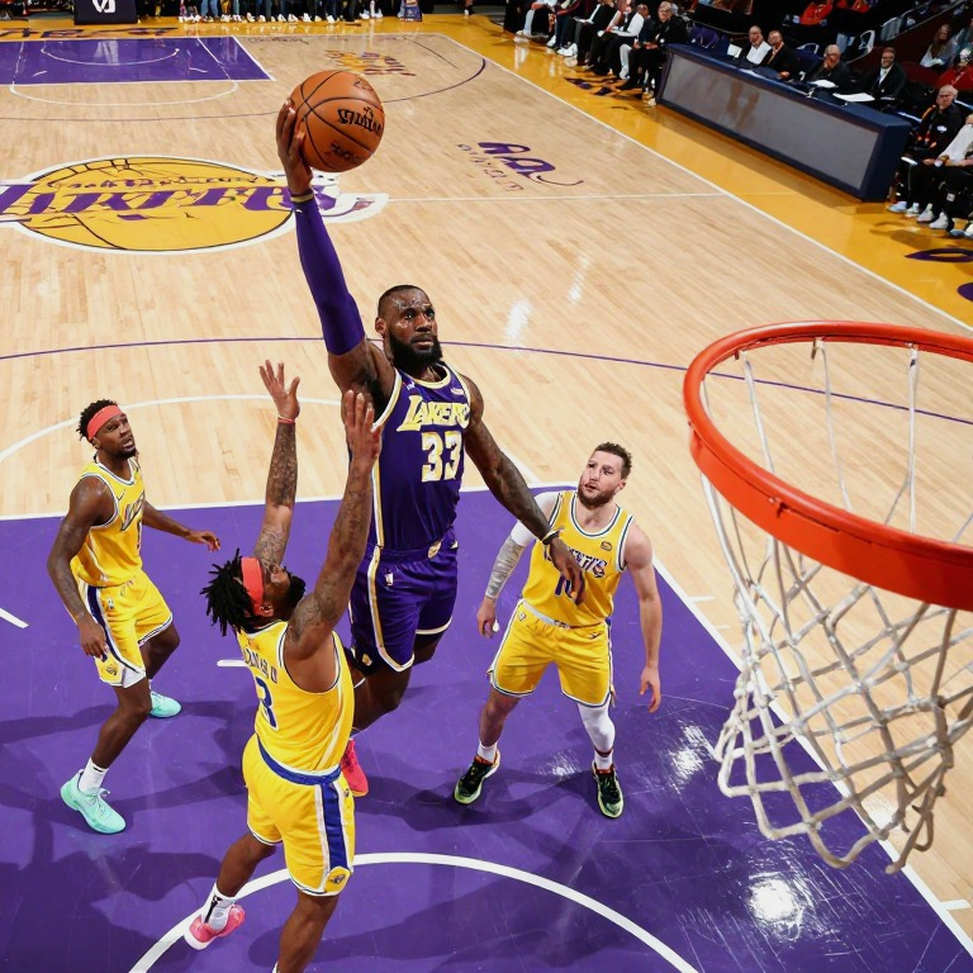
Context: the ledger of memory
I have spent two decades in Indian basketball keeping exactly this kind of account — which achievements get entered into memory and which do not. BFI award ceremonies, Senior Nationals trophies, state units and their own walls: watching all of it taught me that memory is never automatic. Some committee decides. The NBA's in-season tournament began in 2026 with a symbolic capital balance of zero. A new trophy becomes real only when its winners treat it as real. That is the hinge of this whole episode.
The Knicks had said no first. The organizational line was explicit — "we're looking ahead to bigger things." At the time the position was legible: a big-market team that had not raised any banner in twelve years did not want to declare itself mid-tier by giving the Cup a place on its ceiling. Then the Finals were won, against the San Antonio Spurs — the same opponent beaten in the Cup final. Then the position changed. First title since 2026. A fifty-year gap closed. After that, raising the Cup banner stops being an inconsistency and becomes a protocol.
Core: five pieces of evidence, one conclusion
The first piece of evidence is sequencing. The Cup banner went up first, the championship banner second. That is not a technicality; it is risk management. Reversed — championship first, Cup after — the whole evening would read differently: a team that won the big thing and then honoured the small thing afterwards. In the sequence actually used, the Cup banner disappears into the shadow of the championship banner. This is an asymmetric bet: the upside is immediate — fan goodwill, an opening-night spectacle, a ticket and merchandise narrative — and the downside is capped by the larger banner rising the same night. No reading of that evening is purely embarrassing.
The second piece of evidence is a ledger audit. I went back through the franchise's banner record — 2026, 2026, division titles, and the 2026-13 Atlantic Division banner. An institution that gives a division title wall space has no logical basis for rejecting an in-season tournament. The inconsistency lived in the original refusal, not in the later reversal. That is where the argument should turn. The coverage called it a U-turn; in the language of a ledger it was a correction, not a deviation.
The third piece of evidence is the cost that was not paid. Not one dollar of salary, not one roster spot, not one exception. This is a pure brand lever. But a second accounting hides inside the ceremony lights: the real price of a title is paid on the roster the following season. Every rotation player's market value rises at once, and under modern apron rules flexibility mechanically contracts. The ceremony was free; the team became expensive. This report contains no contract, no age, no salary line — which means I cannot estimate the size of that bill from this text. That is the largest information gap in the whole affair, and I will not hide it.
The fourth piece of evidence is the coach's language. Brown said there were "a lot of ups and downs," and that "our guys rallied and figured out a way." That is not the vocabulary of a wire-to-wire dominant team. It is the vocabulary of in-season correction and recovery. A champion that had to "figure out a way" twice — in the Cup and in the Finals — is telling you its edge came from adjustment, not from a raw talent margin. The quote arrives after the win, and a coach volunteers adversity language after winning only when he believes the resilience was the actual achievement. The same team also lost two finals to one opponent, which has exactly one tactical meaning: a repeatable, opponent-specific plan existed. That is my strongest tactical inference, and I am logging it at low confidence, because the base is a single quote.
The fifth piece of evidence is what is absent. The entire championship report does not name one player. A retrospective that names no star cannot be a player-evaluation document — it is an organizational milestone document. From a document with no named player, the conclusion that a title was star-driven or system-driven is unsupportable in either direction. The silence could point to a balanced team, and could just as easily reflect editorial scope. Treating it as proof would be my own failure of discipline. The applicable rules are clear: no rulebook anywhere requires a Cup banner. Commemoration is fully discretionary — and that discretion is what makes the reversal legitimate. The league has no sanction here, which is why this is a norms story, not a compliance story.
There is one more technical layer that ceremony coverage never touches. Cup games are regular-season games governed by a point-differential tiebreaker. A title contender therefore adds high-intensity fixtures to its calendar and cannot rest players in them, because everyone is watching. That collides directly with the 65-game award-eligibility framework. Injury exposure rises through an invisible channel, and it rises in the very season in which the team has to defend.
Contrarian: not forgiveness, an option
The easiest reading is this — they declined, they won, they were gracious. That reading is wrong. The refusal was a free option at the time: had the Finals been lost, withholding the banner would have read as discipline; having won, the reversal reads as generosity. Both branches were defensive. Which means this was not emotional maturity but a communications position pre-built for both outcomes. I say this at low confidence, because no record of the internal debate is public.
The second point matters more. This ceremony was not a ceremony about the Cup; it was a risk-control instrument built for the championship. The Cup banner split the evening's mood in two, and that split made the larger banner larger. In the same way, winning the Cup did not produce the title — the order is reversed. The title retroactively priced the Cup. Mistaking correlation for causation is the easiest trap here, and it is the trap that will corrupt every forecast built on top of it.
The third point will be said least often. The Spurs lost two finals in one season to one opponent. Historically that is the signature of "close, but not yet" — a team whose tier is rising, whose closing-lineup gap has now been exposed twice. For the Knicks, the repetition creates a different hazard: when you beat a team in two finals, that team spends the next season being built specifically to beat you. That is an inference, not a data point.
And here is the most honest boundary. I have no roster, no contracts, no age curve, no shot chart. One season, self-reported, no source chain. From that sample I cannot tell you whether this team repeats. What I can tell you is that the report's structure is engineered to convert a contradiction into a compliment — the refusal quote placed first, the title reveal placed later. Without that order, the same facts read as an inconsistency. Every metric needs provenance, or it becomes a story with a spreadsheet. Provenance is the weakest link here.
Takeaway: three dates for next season
What to watch is not in the ceremony but in the contract sheet. First: the post-title valuation reset — whose extension arrives first, and where the apron bites. Second: the Spurs' counter-build, because two finals losses usually signal a rise, not a decline. Third, and most durable: precedent. Every future Cup winner will now be measured against the team that declined the banner and then raised it. The league's commemoration norm has been set by a champion's behaviour. And the question nobody has written a rule for — if some team wins the Cup tomorrow and wants no part of that banner, which rulebook answers them?