
होमField HockeyAsian Champions Trophy: Bangladesh Enter via Pakistan's Absence, German Coach and Two-Week Camp Hide a Crisis
Asian Champions Trophy: Bangladesh Enter via Pakistan's Absence, German Coach and Two-Week Camp Hide a Crisis
मुख्य उत्तर: बांग्लादेश ने एशियाई चैंपियंस ट्रॉफी (फील्ड हॉकी) में जगह पाकिस्तान के भारत न आने से मिली खाली स्लॉट के कारण पाई है, क्योंकि एशियाई खेलों में वह सातवें स्थान पर रहा था और शीर्ष छह टीमों को खेलना था। टीम की तैयारी दो सप्ताह की है और जर्मन कोच पीटर गेरहार्ड हाल ही में ढाका पहुंचे हैं। मुख्य तथ्य: - बांग्लादेश 23 अक्टूबर को भारत के लिए उड़ान भरेगा; टूर्नामेंट 27 अक्टूबर से शुरू होगा। - भारतीय दूतावास में वीजा आवेदन उड़ान से एक दिन पहले किया जाना है। - रिपोर्ट में 18 सदस्यीय टीम का दावा है, लेकिन सूची में केवल 16 नाम हैं। - नए चुने गए अब्दुल्ला और तैयेब सूची में नहीं हैं; अबेद उद्दीन शामिल हैं। - एशियाई खेलों में बांग्लादेश सातवें स्थान पर रहा था। स्रोत: अनाम समाचार रिपोर्ट, प्रकाशन तिथि उपलब्ध नहीं। संबंधित प्रश्नोत्तर: प्रश्न: क्या एशियाई चैंपियंस ट्रॉफी ओलंपिक क्वालीफिकेशन है? उत्तर: नहीं, एशिया में ओलंपिक टिकट एशियाई खेलों के चैंपियन से जाता है; एसीटी प्रतिष्ठा और विकास का आयोजन है। प्रश्न: बांग्लादेश के कोच कौन हैं? उत्तर: जर्मन कोच पीटर गेरहार्ड, जो हाल ही में ढाका पहुंचे और चयन समिति के साथ टीम फाइनल की। प्रश्न: बांग्लादेश को एसीटी में जगह कैसे मिली? उत्तर: एशियाई खेलों में सातवें स्थान के बावजूद, पाकिस्तान के भारत न आने से खाली हुई जगह पर बांग्लादेश को एंट्री मिली।
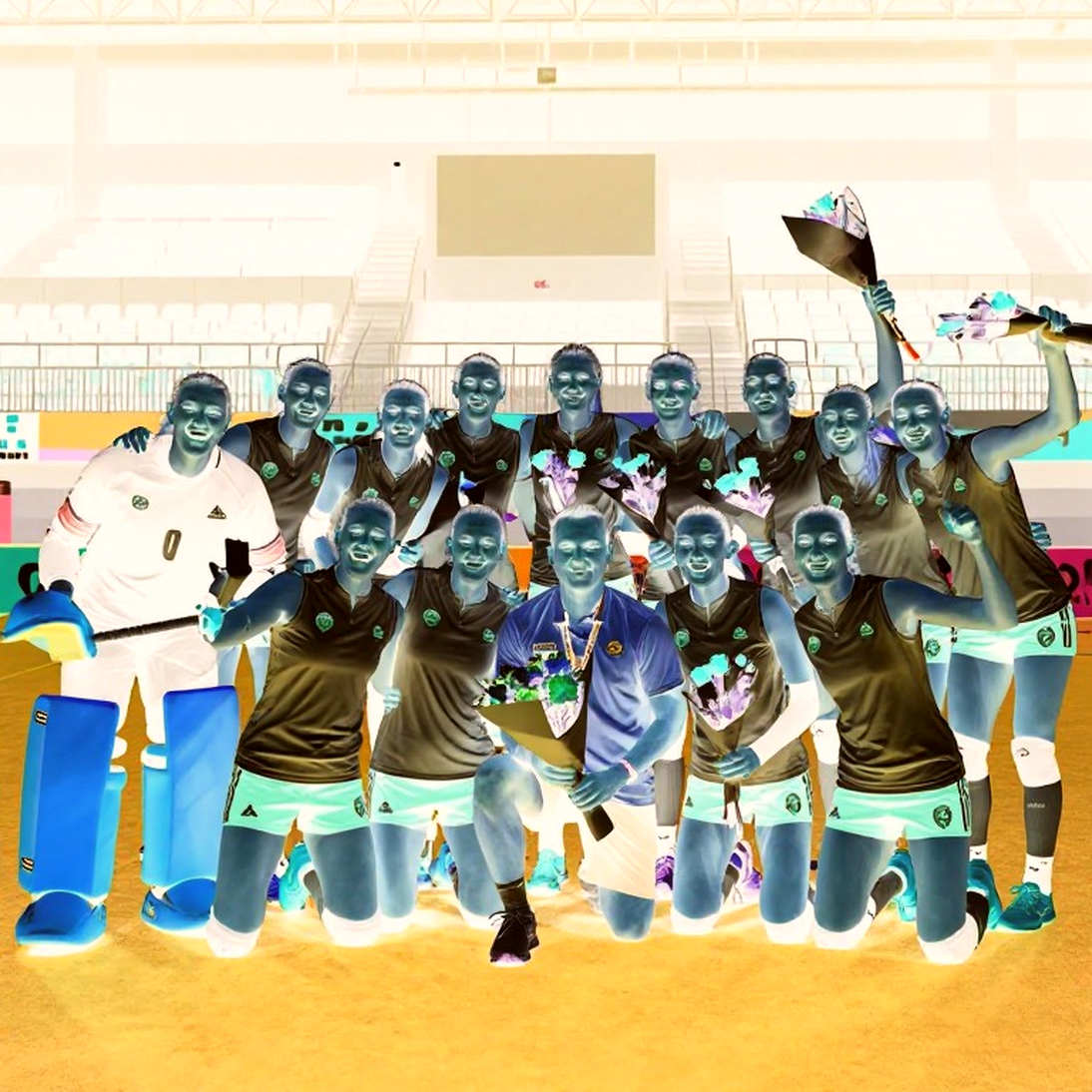
Four days before their flight from Dhaka on October 23, there is an odd calm in the Bangladesh hockey training camp. German coach Peter Gerhard arrived in the country just a couple of days ago, and he has sat with the selection committee to finalize an 18-member squad. This team has not qualified for the Asian Champions Trophy (ACT), starting October 27 in India; it is here because Pakistan did not travel to India, filling a vacated slot. That single fact defines Bangladesh's status throughout the tournament.
Bangladesh, seventh at the Asian Games, got into the ACT because the top six teams were supposed to play and Pakistan declined to play in India. This entry is not the result of any on-field performance but an administrative accident. For Bangladesh hockey, this tournament is not an Olympic qualification route—in Asia, the Olympic ticket goes to the Asian Games champion. The ACT is a prestige and development event in which Bangladesh's real role is to measure itself, not to win medals.
The preparation story is more concerning. The team has had a total of two weeks of practice camp. German coach Gerhard arrived just days ago and finalized the team with the selection committee. This selection process indicates the coach does not have full authority; most likely he rubber-stamped a list built on domestic-league knowledge. Installing any new tactical system in two weeks is impossible. Bangladesh's play will naturally be reactive—sitting deep, limiting damage against technically superior India, Korea, Malaysia and Japan.
Penalty corners are Bangladesh's most likely scoring route. For weaker teams, set pieces are the weapon that covers limited open-play creation. But the report names no PC specialist, nor any conversion data. The 16-name list includes goalkeeper Biplob Kujur, but there is no mention of his form or fitness. In field hockey with rolling substitutions, bench depth is decisive, and a 16-18 player list can break in the fourth quarter.
There is another crack in the roster. The report speaks of an 18-member squad, but the list contains only 16 names. Newly included Abdullah and Tayeb do not appear in the list, while Abed Uddin is included. Saju and Din Islam Emon have been dropped. This is a partial rebuild, not a settled core. It is a signal of administrative looseness—and unreliable data for any external analysis.
In my experience, the biggest risk in such cases lies not on the pitch but in paperwork. The visa application at the Indian Embassy is to be made a day before the October 23 flight, and the tournament starts October 27. This four-day buffer is extremely thin. A single administrative delay could derail the entire campaign. The vacuum created by Pakistan's absence also shows how easily geopolitical friction can reshape fields in AHF events.
Bangladesh's position in Asian hockey is third tier. Well behind India, Korea, Malaysia and Japan, and in a band with Oman/Thailand. The realistic ceiling is fifth or sixth place, not a medal. Pakistan's collapse is the defining regional dynamic that gave Bangladesh this opportunity—this is not a story of Bangladesh's rise but of filling a space left by another's decline.
In a cricket-dominant economy, resources for hockey are limited. A two-week camp, a late-arriving coach, an unstable roster—all point to a semi-professional, assembly-model operation. An event like the ACT will change neither the youth pipeline nor broadcast revenue. It is merely a developmental data point.
The question is whether Bangladesh hockey will limit this opportunity to mere participation, or use it to measure its weaknesses and plan beyond a two-week camp. The answer will be decided not on the pitch but in the embassy queue before the October 23 flight.
संबंधित खिलाड़ी
अनुशंसित
India’s Women’s Hockey Transition Is Signalled, but the Bhopal Asian Champions Trophy Squad Is Missing2026-11-11
Asian Champions Trophy: In India's 5-2 Win Over China, the Real Question Is the Penalty Corner2026-10-31
Bangladesh Beat Nepal 33-20: Second-Half Explosion and Defensive Concerns2026-10-22
Sixteen Names, an Eighteen-Man Claim and Tomorrow's Visa: Bangladesh's Real Score Before the Asian Champions Trophy2026-10-22
Dhaka United's Promotion and a New Pathway for Women's Hockey: Two Important Signals in Bangladesh's Domestic Structure2026-11-09
The 33-20 Scoreboard Doesn't Lie: Bangladesh's Win Hides a 20-Goal Warning2026-10-22
An Empty Column Is Evidence Too: Three Places Where Indian Hockey's Ledger Goes Silent2026-10-28
An 18-Man Claim, Sixteen Names, Two Weeks of Prep: Bangladesh's Asian Champions Trophy File2026-10-22
अनुशंसित
Sixteen Names, Two Weeks and One Visa: Dhaka's Real Test Before the Asian Champions Trophy2026-10-22
Jalandhar Night: The 13-0 Scoreboard and a Father's First Live Look2026-10-29
The 33-20 Scoreboard and the 20 Conceded: The Real Story Behind Bangladesh's Win in Dhaka2026-10-22
India vs Malaysia: The 'First Real Test' Claim, and the Silence of the Numbers2026-11-02
Asian Champions Trophy: In India's 5-2 Win Over China, the Real Question Is the Penalty Corner2026-10-31
The Last 15 Seconds: India's Hockey Problem Is Not the Fourth Quarter, It Is Their Own 23 Metres2026-11-07
Dhaka United Win First Division Title: 28-Point Campaign Sets Up the Real Premier League Test for Bangladesh Hockey2026-11-09
Twenty-Four Hours in Tokyo, Ninety Minutes in Ranchi: A Recording of Indian Hockey's Two Calendars2026-10-30
अनुशंसित
Source Material Required for an Original Hockey News Report2026-11-06
33-20 on the Dhaka Court: Bangladesh Handball's Second-Half Explosion, But Has the Defence Really 'Become Much Better'?2026-10-22
Jalandhar Night: The 13-0 Scoreboard and a Father's First Live Look2026-10-29
An Empty Column Is Evidence Too: Three Places Where Indian Hockey's Ledger Goes Silent2026-10-28
Asian Champions Trophy: Bangladesh Enter via Pakistan's Absence, German Coach and Two-Week Camp Hide a Crisis2026-10-22
Sultan of Johor Cup 2026: Malaysia Beat Pakistan 4-3 in Shootout to Clinch Title2026-11-04
33-20 on the Dhaka Court: Bangladesh's Second-Half Surge, and the Three Questions the Scoreboard Never Asks2026-10-22
Visa, a Two-Week Camp and 16 Names: The Real Scorecard of Bangladesh's Asian Champions Trophy Entry2026-10-22